Beyond the Skull: Realizing the Outside-In, Closed-Loop Future at the Beijing Brain Conference 2026

This week, we shift our core research focus to a historic milestone: the upcoming August 17th launch of the Horizon Leadership Board (HLB) at our mini-symposium in Beijing. Instead of evaluating global trends in isolation, we are using this week’s screening of 200 newly published studies to show immediate, real-time links to the core domains of the distinguished scientists who will be in the room.
The BRIGHT Horizon Filter • Week 32, 2026
The BRIGHT Cerebral Palsy Cure Project is shifting the paradigm of translational neuro-repair. As the global neurotech ecosystem gathers for the upcoming Beijing Brain Conference (BBC). We will present a poster session of The Neuroloop Protocol on August 14th at the main conference event and we are repeating the success of our first Scientific Advisory Board Meeting, by hosting a new historic mini-symposium on August 17th dedicated to neuro-plasticity based recovery in HIE victims. We are transitioning the torch from our foundational Scientific Advisory Board titans—the literal architects of the field like Michael Merzenich, Neville Hogan, Michael V. Johnston, Edward Taub, and our eternal north star, Dr. Esther Thelen—to a new vanguard of modern scientific leaders: The Horizon Board.
This transition marks a historic moment of fulfillment. Nearly 25 years ago, the 2002 BRIGHT Brain Injury Manifesto and our first 2003 SAB session established a radical, singular systems paradigm: to bypass central neural injuries by capturing cognitive intent, engaging cellular longevity, and closing the loop through a combined systems approach. When our original board met, we dreamed of a sophisticated multi-modal framework linking touch, proprioception, cellular health, and motor response. For a quarter of a century, that vision has remained laser-focused and completely unchanged. At the time, the tech was impossible, the data was siloed, and the multi-variable technology required to simulate and synchronize human biomechanics sounded like science fiction. Today, the frontier of science has finally caught up to our original vision. The computing power, advanced modeling, and precision engineering are finally ready to realize exactly what we set out to map.
While invasive Brain-Computer Interfaces (BCIs) offer remarkable insights for specialized, clinical environments, BRIGHT is championing a parallel frontier protocol focused entirely on an outside-in, non-invasive, peripheral approach: The Neuroloop Protocol. By focusing on a non-invasive approach, BRIGHT’s protocol unlocks low risk possibilities:
- Low-Risk Accessibility: Fully non-invasive peripheral interfaces designed for seamless long-term safety.
- Continuous 24/7 Dosing: Moving beyond isolated clinical hours to provide sustained therapeutic engagement throughout real-world daily life.
- Autonomous N-of-1 Adaptability: Utilizing real-time algorithmic feedback loops tailored strictly to an individual’s unique, evolving neurophysiology.
The Architecture of the Neuroloop Protocol: The Horizon Leadership Board
The exceptional researchers joining us in Beijing represent the exact core pillars required to substantiate this next frontier. As champions, they are solving the complex physics and biology of how to non-invasively interface with the human nervous system and translate it into an actionable protocol:
- Decoding Circuit Mechanics & Behavior: To intervene non-invasively from the periphery, we must understand central intent and state. Luo Minmin’s mastery of neuromodulatory circuits and reward-driven behaviors provides the precise mechanistic blueprint needed to window peripheral stimulation for maximum plastic reward.
- Cellular Integrity & Longevity: Sustaining a continuous, 24/7 dosing paradigm relies on a stable neural substrate. Don Cleveland’s pioneering work in neurodegenerative mechanisms and cellular longevity ensures that as the protocol engages peripheral pathways over extended horizons, it optimizes the underlying cellular health required to support long-term plasticity.
- Deconstructing Muscle Synergies: Personalizing a true n-of-1 protocol requires an accurate translation layer. Vincent Cheung’s definitive research on muscle synergies allows us to decode how the brain naturally bundles motor commands, providing the framework to interpret peripheral nervous system signals accurately.
- Sensorimotor Mapping & Cognitive Intent: Catching intent before movement occurs is critical for non-invasive loops. Alexander Gail’s insights into how the brain maps sensorimotor space and processes planning allow for the precise, external positioning of sensors where they can read cognitive intent early.
- Peripheral Interception & Somatosensory Feedback: To achieve true closed-loop performance externally, the protocol must master natural pathways. Kazuhiko Seki’s profound understanding of somatosensory feedback and spinal reflex circuits illuminates exactly how and where the peripheral nervous system can receive and process therapeutic inputs.
- Translational Parameters of the Neuroloop: Bridging these complex biological systems into viable, accessible paradigms requires advanced neural engineering. Sui Yanan and Stephen Scott bring world-class expertise in the sophisticated quantification of motor control and targeted peripheral interfaces, proving the scientific viability of non-invasive, continuous wearable protocols that bypass central injury.
The Bottom Line
By syncing non-invasive, outside-in stimulation with real-time peripheral feedback, The Neuroloop Protocol opens up a safer, scalable, and fully automated avenue for cerebral palsy repair. The historic bridge from the theoretical dreams of 2002 to the actionable science of 2026 is complete. For more updates from the field, track the live analysis at the BRIGHT Horizon Filter.
Week 32 August 3rd, 2026: Real-Time Literature Mapping: Additive Validation for the Protocol
To illustrate the concrete realities of this transition, this week’s literature screen of 200 tudies provides immediate, additive validation for our incoming board’s core research pillars, mapped directly to their respective BRIGHT architectural domains:
- [FUEL] Step-Zero Metabolic Resiliency:Study 186(Eshac et al., Frontiers in Immunology) mapping alternative microglial fuel pathways and energy dynamics under high metabolic demand.
- The Strategic Link: This provides immediate mechanistic backing to Dr. Don Cleveland’s domain of cellular longevity. To safely implement a continuous, 24/7 therapeutic protocol without inducing cellular fatigue, we must first master the microenvironment’s baseline metabolic pathways. This study proves how alternative substrates optimize cell survival under stress, establishing the mandatory “step-zero” requirement for long-term tissue stability during peripheral stimulation.
- [CLEAR] Mapping Localized Neural Barriers:Study 48(Brown et al., bioRxiv) mapping the distinct spatial boundaries of oxidative membrane damage and ceramide-driven lipid dysregulation within injured white-matter tracts.
- The Strategic Link: This directly informs the circuit-timing models of Dr. Luo Minmin. Instead of viewing neuro-inflammation as a generalized block, this spatial mapping reveals precise, uncompromised microscopic windows. Understanding exactly where and how these inflammatory barriers sit allows us to window non-invasive peripheral inputs, delivering stimulation precisely when and where the central circuitry is receptive to positive neuromodulation and reward.
- [GUIDE] Bypassing Extracellular Non-Permissivity:Study 52(Brantley et al., bioRxiv) demonstrating how mechanical trauma to the extracellular matrix (ECM) permanently restricts native dendrite regeneration, forcing the nervous system to seek alternate structural pathways.
- The Strategic Link: This structural block perfectly validates the outside-in architecture championed by Dr. Vincent Cheung and Dr. Alexander Gail. Because central tissue scarring restricts direct mechanical repair, we must route around the injury. This study underscores why we must decode alternative motor pathways via muscle synergies and use predictive sensorimotor mapping to catch cognitive intent externally before it hits the central bottleneck.
- [FUEL] Multi-Modal Non-Invasive Delivery:Study 31(The BO(2)ST-II Trial, Neurotrauma Reports) a clinical protocol combining transient respiratory gas modulation tAIH (Acute Intermittent Hypoxia) with non-invasive transcutaneous spinal stimulation to significantly enhance overground motor function. If you use taVNS alone, you are steering a car. If you add tAIH, you are putting high-octane fuel in the gas tank.
- The Strategic Link: This clinical milestone provides an empirical blueprint for the intersection of fields represented by Dr. Kazuhiko Seki, Dr. Sui Yanan, and Dr. Stephen Scott. It proves that combining external physiological switches with non-invasive spinal modulation yields compounding functional outcomes. Specifically, it substantiates how the protocol can safely deliver automated, real-time peripheral feedback loops by leveraging active spinal preprocessing gateways (Seki) and machine learning parameter optimization (Sui), while utilizing sophisticated quantification of voluntary limb dynamics and multi-pathway sensory feedback (Scott) to precisely track and validate real-time functional recovery.
| Study Title | Horizon Classification | |
| Study (31) Wall J et.al., A Research Protocol to Study the Dose- and Age-Dependent Effects of Breathing Low Oxygen on Enhancing Transcutaneous Spinal Stimulation-Induced Walking Function for People with Spinal Cord Injury: The BO(2)ST-II Trial. | Additive (★) | ( PMID 42539367) Clinical trial protocol linking non-invasive spinal stimulation with tAIH (Acute Intermittent Hypoxia). |
| Study (48) Brown K et.al., Spatial MALDI-MSI Reveals a Coordinated Vicious Cycle of Oxidative Membrane Damage and Ceramide-Driven Sphingolipid Dysregulation in the Chronically Neuroinflamed Brain. | Additive (★) | ( PMID 42539145) High-fidelity spatial chemical mapping identifying a new chronic lipid-driven dysregulation cycle trapping injured tissue in persistent inflammation. |
| Study (186) Eshac Y et.al., The brain’s sweet spot: why microglia can run on fructose metabolism. | Additive (★) | ( PMID 42519336) Discovers a completely unknown metabolic bypass enabling immune cells to switch fuel sources to maintain function when typical sugars fail. |
| Study (1) Deng S et.al., CSF-1 promotes microglial proliferation and ameliorates ischemic brain injury. | Acute | ( PMID 42542249) Focuses on acute-phase ischemic stroke intervention windows. |
| Study (2) Kasa K et.al., A reproducible rat model of microembolic brain injury using percutaneous coaxial microcatheter delivery of zirconia beads. | Acute | ( PMID 42542212) Early-stage development of an acute microembolic stroke model. |
| Study (3) Xie Y et.al., Refined Changqin NO.1 regulates gut microbiota and their metabolites to mediate PANoptosis and alleviate traumatic brain injury. | Supportive (✔) | ( PMID 42542061) Highly novel mapping of gut-microbiota metabolites driving PANoptosis inhibition in chronic TBI pathways. |
| Study (4) Xu Y et.al., Folic acid alleviates neuroinflammation after intracerebral hemorrhage by epigenetically regulating the AMPD2/DCK/NF-κB pathway. | Acute | ( PMID 42542053) Targets early molecular pathways directly following acute intracerebral hemorrhage. |
| Study (5) Mathew J et.al., Rapid atlas-based predictions of regional brain strain simulations from wearable head kinematics using diffusion MRI-informed machine learning. | Supportive (✔) | ( PMID 42541993) Breakthrough machine learning platform bridging real-time kinematic strain modeling with long-term, structural dMRI atlases. |
| Study (6) Ganesh S et.al., Clinician grief, moral distress, and moral injury in traumatic brain injury care: an integrative narrative. | Legacy (🗂) | ( PMID 42541816) Provider-focused narrative review; no primary clinical data on chronic patients. |
| Study (7) Adekunle OO. et.al., Beyond Mean Arterial Pressure: Critical Nuances in Hemodynamic Targeting for Severe Traumatic Brain Injury. | Acute | ( PMID 42541790) Intensive care, early-phase hemodynamic target monitoring. |
| Study (8) Ferrari F et.al., Epidemiology and centralization of pediatric traumatic brain injury care in Lombardy, Italy: An 11-year regional population-based study. | Legacy (🗂) | ( PMID 42541625) Regional administrative logistics and acute care epidemiological data. |
| Study (9) Firdous SM et.al., Molecular and cellular mechanisms of lead-induced neurotoxicity: comparative insights from rodent and zebrafish models. | Legacy (🗂) | ( PMID 42541535) Standard environmental toxicological pathways; not a chronic neurodisability intervention. |
| Study (10) Wang X et.al., Muse cell transplantation attenuates neuroinflammation and preserves endothelial reparative responses after radiation-induced brain injury. | Supportive (✔) | ( PMID 42541528) Validates stem cell homing and secondary inflammatory modulation in injured central tissue. |
| Study (11) Prampero MZ et.al., World Trade Center related acute traumatic injuries and musculoskeletal disorders: Clinical best practices. | Legacy (🗂) | ( PMID 42541483) Occupational health guidelines for orthopedic and physical trauma. |
| Study (12) Kiwanuka O et.al., Different predictors of neurosurgical intervention and mortality in moderate traumatic brain injury: a nationwide cohort study. | Acute | ( PMID 42541300) Maps early neurosurgical decision windows and acute mortality risks. |
| Study (13) Patlan M et.al., Glasgow coma scale (GCS), GCS-pupil score (GCS-P), and full outline of unresponsiveness (FOUR) score in traumatic brain injury patients: A comparative study of inter-observer variability and prognostic ability. | Acute | ( PMID 42541053) Emergency department and ICU acute neuro-assessment metrics. |
| Study (14) Gelaw A et.al., The Long Shadow of Trauma: Comparing the Prevalence and Risks of Chronic Health Conditions among orthopaedic and other injury types 1-5 Years Post-Injury Using Population-Level Data Linkage. | Supportive (✔) | ( PMID 42540866) Large population linkage validating the high longitudinal burden of chronic secondary conditions post-injury. |
| Study (15) Shumway J et.al., The impact of Mainstream versus Specialist secondary school placement on health and education outcomes for pupils with neurodisability in England: A target trial emulation study using the ECHILD database. | Supportive (✔) | ( PMID 42540717) Large-scale database evidence tracking long-term educational and social outcomes in pediatric neurodisability. |
| Study (16) Bosotov D et.al., Emerging Neurovascular Interventions for the Prevention of Cerebral Vasospasm and Delayed Cerebral Ischemia After Aneurysmal Subarachnoid Hemorrhage: A Systematic Review. | Acute | ( PMID 42540693) Early-phase vasospasm avoidance protocols following acute rupture. |
| Study (17) Rodríguez J et.al., Brain abscess in Honduras: a five-year clinical and epidemiological study at Hospital Escuela. | Legacy (🗂) | ( PMID 42540395) Retrospective infectious disease observational registry data. |
| Study (18) Zhu X et.al., Artificial intelligence for cardiac arrest in the digital health era: From algorithmic performance to workflow-integrated, outcome-oriented digital health systems. | Acute | ( PMID 42540016) Real-time predictive algorithm integration for acute cardiac arrest. |
| Study (19) Krasnienkov D et.al., Adjunctive EGb 761 treatment in patients with Parkinson’s disease: a case series. | Legacy (🗂) | ( PMID 42539673) Standard clinical case series tracking herbal extracts in degenerative motor disease. |
| Study (20) Anhoque CF et.al., Editorial: Neurorehabilitative and regenerative methods involved in treating traumatic brain and spinal cord injuries, volume II. | Legacy (🗂) | ( PMID 42539636) Editorial introduction summary lacking raw, novel primary data. |
| Study (21) Manhapra A et.al., Conceptualizing and treating the polytrauma clinical triad as a complex chronic pain syndrome. | Supportive (✔) | ( PMID 42539617) Refines chronic neurorehabilitation paradigms by conceptualizing veteran polytrauma as a unified complex pain syndrome. |
| Study (22) Alzarouni S(#) et.al., Botulinum toxin A for sialorrhea in adults with neurological disorders: a narrative review of aspiration pneumonia risk. | Supportive (✔) | ( PMID 42539598) Evaluates known chronic focal spasticity and secondary sialorrhea management safety patterns. |
| Study (23) Mazzitelli M et.al., Sex-specific lateralization of the effects of exogenously-induced neuroimmune activation in the amygdala on pain-like behaviors. | Legacy (🗂) | ( PMID 42539541) Preclinical rodent science evaluating localized, acute pain lateralization. |
| Study (24) Nakata H. et.al., Reply to the Editor: Gauze Packing and Removal: Two-staged Operations for Hemostasis of Traumatic Sinus Injury. | Acute | ( PMID 42539448) Emergency surgical maneuvers for immediate hemorrhage control. |
| Study (25) Feigel ED et.al., Ten-Year Latent Trajectories of Global Function and Their Associations with Social Relationship Factors: A Traumatic Brain Injury Model Systems Study. | Supportive (✔) | ( PMID 42539394) Exceptional long-term (10-year) functional tracking mapping social impacts on chronic recovery. |
| Study (26) Peshtenski ER et.al., Anti-CD14 Monoclonal Antibody in a Mouse Model of Severe Traumatic Brain Injury: Effects on Acute Neuroinflammation and Acute Functional Outcome. | Acute | ( PMID 42539393) Investigates therapeutic blocks applied within early post-injury hours. |
| Study (27) Robson IK et.al., Sex Differences in Memory Performance after Traumatic Brain Injury in Rats. | Legacy (🗂) | ( PMID 42539381) Standard preclinical observational tracking of sex variance in spatial memory. |
| Study (28) Park E et.al., Social Determinants of Health and Their Role in Basilar Skull Fracture Outcomes: A Level 1 Trauma Multicenter Retrospective Study. | Legacy (🗂) | ( PMID 42539379) Retrospective chart review mapping socio-demographics to acute structural skull fractures. |
| Study (29) Streicher NS et.al., Cognitive Screening Tests in Concussion: Classification Agreement and Differential Symptom Sensitivity. | Supportive (✔) | ( PMID 42539374) Head-to-head clinical validation of sensitive tracking tools for chronic post-concussive monitoring. |
| Study (30) Abbruzzese S et.al., Proteomic Changes of Neurodegenerative and Inflammatory Plasma Biomarkers Following Traumatic Brain Injury. | Supportive (✔) | ( PMID 42539370) Confirms that peripheral plasma biomarkers correlate with ongoing chronic neurodegeneration. |
| Study (32) Kazazian K et.al., Emotional Processing after Severe Traumatic Brain Injury: Insights from Functional MRI and Pupillometry. | Supportive (✔) | ( PMID 42539359) Uses fMRI and pupillometry to capture structural emotional processing deficits in chronic injury states. |
| Study (33) Wildenberg L et.al., Respective Contributions of Head and Extra-Head Injury Severities to the Occurrence of Early Coagulopathy Following Traumatic Brain Injury. | Acute | ( PMID 42539358) Acute-phase trauma assessment evaluating hyperacute systemic coagulopathy risks. |
| Study (34) Andelic N et.al., Rehabilitation and Outcomes in Patients after Traumatic Brain Injury Admitted to the Intensive Care Unit: Results from the CENTER-TBI Study. | Supportive (✔) | ( PMID 42539357) Validates ICU-to-community rehabilitation transition modeling against long-term operational metrics. |
| Study (35) Stewart W et.al., Circulating microRNAs: A Potential Biomarker in TBI and PTSD War Veterans. | Supportive (✔) | ( PMID 42539349) Standard assay tracking microRNA profiles to differentiate chronic deployment injuries. |
| Study (36) Racciatti MM et.al., First 3-Day Severe Pediatric Traumatic Brain Injury Guideline Adherence Rates in South American Intensive Care Units by Guideline, Patient, and Clinical Care Characteristics. | Acute | ( PMID 42539345) Focuses entirely on critical first 72-hour ICU pediatric protocol execution. |
| Study (37) Beitchman JA et.al., Analyzing the Spectrum of mTBI Subgroups. | Legacy (🗂) | ( PMID 42539341) Conceptual categorization framework sorting known clinical presentations of mild TBI. |
| Study (38) Rochat T et.al., Fever Burden and Neurological Outcome in Traumatic Spinal Cord Injury. | Acute | ( PMID 42539327) Evaluates thermal spikes and hyperthermia within hyperacute neuroprotection windows. |
| Study (39) Burke SC et.al., The Neuroimmune Nexus: Diet-Induced Obesity, Inflammation, and Diet-Modulated Recovery Following Traumatic Brain Injury. | Supportive (✔) | ( PMID 42539321) Maps how underlying metabolic and dietary systemic inflammatory baselines alter subsequent repair windows. |
| Study (40) Zhou Y et.al., Traumatic Brain Injury and Risk of Amyotrophic Lateral Sclerosis Mortality: A Traumatic Brain Injury Model Systems Study. | Legacy (🗂) | ( PMID 42539319) Registry linkage evaluating long-term epidemiologic risks for progressive motor neuron disease. |
| Study (41) Huslig P et.al., Persistent Symptom Burden Following Mild Traumatic Brain Injury Is Associated With Lower Quality of Life in Middle-Aged and Older Adults. | Legacy (🗂) | ( PMID 42539317) Re-confirms lower subjective health scores in long-term symptomatic post-concussive cohorts. |
| Study (42) Serra R et.al., Evolution of Diagnosis and Management of Traumatic Intracranial Aneurysms Secondary to Penetrating Brain Injury. | Acute | ( PMID 42539308) Immediate identification and clipping/coiling protocols for acute vascular ruptures. |
| Study (43) Tarapore PE et.al., Transforming Research and Clinical Knowledge in Older Veterans with Acute Traumatic Brain Injury: A Longitudinal Observational Study. | Acute | ( PMID 42539307) Focuses on systemic clinical handling during the acute presentation phase of geriatric injury. |
| Study (44) Eagle SR et.al., Inpatient Metabolic Panel Trajectories Improve 6-Month Mortality Prognostication after Severe Traumatic Brain Injury. | Acute | ( PMID 42539293) Uses acute-phase inpatient metabolic trends to predict immediate mortality risk. |
| Study (45) Abalkhail Z et.al., Predicting Social Participation and Quality of Life in Individuals with TBI at Least One Year after Discharge from Rehabilitation. | Supportive (✔) | ( PMID 42539282) Re-validates functional independence indicators as key drivers of long-term community reintegration. |
| Study (46) Diaz M et.al., Epidemiology of Traumatic Brain Injury in Sexual and Gender Minority People: A Matched Single-Trauma Center Study. | Legacy (🗂) | ( PMID 42539262) Baseline demographic registry review from a single clinical center. |
| Study (47) Delgado T et.al., Transglutaminase 2 Deletion Enhances Astrocyte-to-Neuron Metabolic Support and Attenuates Subacute Pathology Following Repetitive Mild Traumatic Brain Injury. | Acute | ( PMID 42539240) Highlights a new bioenergetic pathway by targeting TG2 down-regulation to fuel astrocytic metabolic shifts. |
| Study (49) Keleher F et.al., Longitudinal White Matter Changes in Concussed Adolescents with Adverse Childhood Experiences. | Supportive (✔) | ( PMID 42539109) Validates that underlying psychosocial stress markers exacerbate ongoing chronic white matter remodeling. |
| Study (50) Mellert SM et.al., Exercise Myokine Irisin Enables Behavioral Stress Resistance in Mice. | Supportive (✔) | ( PMID 42538993) Validates how specific muscle-derived proteins (irisin) downregulate downstream anxiety in central circuitry. |
| Study (51) Smith C et.al., Histological assessment of integrated human cortical organoid grafts after controlled cortical impact. | Supportive (✔) | ( PMID 42538926) Novel translational approach showing long-term survival, vascularization, and connectivity architecture of human organoids inside injury cavities. |
| Study (52) Brantley MA et.al., Epidermal and ECM Damage Following Pinch Injury Restricts Dendrite Regeneration in Drosophila. | Legacy (🗂) – Yes | ( PMID 42538900) Basic invertebrate model mapping extracellular matrix restrictions on peripheral extensions. |
| Study (53) Salvagno M et.al., Oxygen Exposure in Patients with Brain Injury: Beyond Static Thresholds. | Acute | ( PMID 42538471) Hyperoxia titration and target dynamics inside acute neuro-ICU ventilation settings. |
| Study (54) Nassir A et.al., Estimation of Intracranial Elasticity and Venous Outflow Resistance from Arterial Pressure and ICP Waveforms in Severe Brain Injury. | Acute | ( PMID 42538470) Real-time waveform modeling to track immediate intracranial pressure surges. |
| Study (55) Caeyenberghs K et.al., Integrative neuroscience in traumatic brain injury: Multimodal imaging, network models, and precision medicine. | Supportive (✔) | ( PMID 42538235) Reviews existing advanced structural network methods to assemble personalized chronic clinical workflows. |
| Study (56) Akeret K et.al., Cerebrospinal fluid haemoglobin as a monitoring biomarker for secondary brain injury after aneurysmal subarachnoid haemorrhage: prospective international multicentre validation study (HeMoVal). | Acute | ( PMID 42538097) Acute ICU biomarker monitoring checking for breakdown products immediately after an aneurysm burst. |
| Study (57) Liu C et.al., Targeted intestinal cooling offers superior brain protection in the mouse stroke model. | Acute | ( PMID 42537741) Core protective hypothermia strategy applied strictly within hyperacute ischemic stroke windows. |
| Study (58) Thayyil B et.al., Consensus Classification of Brain Injury Predicts Long-Term Neurodevelopmental Outcomes in Neonates With Hypoxic-Ischemic Encephalopathy. | Supportive (✔) | ( PMID 42537572) Standardized clinical classification mapping neonatal baseline injury parameters to long-term developmental outcomes. |
| Study (59) Krauss A et.al., Effect of the polytrauma clinical triad on suicide risk among U.S. veterans and active-duty soldiers. | Legacy (🗂) | ( PMID 42537326) Descriptive epidemiological assessment of systemic pain, mental health, and chronic injury associations. |
| Study (60) Harland TA et.al., Reassessing the risk of hemorrhage progression in mild traumatic brain injury: the role of anticoagulant and antiplatelet therapy. | Acute | ( PMID 42537244) Hyperacute scanning windows to detect early intracranial bleed expansions under active blood thinners. |
| Study (61) Ogłodek EA. et.al., The processing of pro-inflammatory cytokines in post-traumatic stress disorder: Inflammation as a central mechanism in PTSD pathophysiology. | Legacy (🗂) | ( PMID 42536952) Broad literature review consolidating existing understandings of chronic cytokine profiles in stress pathways. |
| Study (62) Guillot A et.al., Measuring engagement during a novel upper extremity training program using joystick-operated ride-on toys. | Supportive (✔) | ( PMID 42536776) Novel pediatric engineering tool utilizing custom joystick assistive technology to objectively log long-term upper-limb engagement. |
| Study (63) Venturino A et.al., Corticosterone-linked microglial activity underpins sexually dimorphic neuroplasticity after ketamine anesthesia. | Legacy (🗂) | ( PMID 42536755) Evaluation of standard, transient anesthesia-induced microglial shifts in rodents. |
| Study (64) Roldan A et.al., Correction: Exploring motor variability in adults with severe athetoid or ataxic cerebral palsy: Impact on error-based and reward-based learning. | Legacy (🗂) | ( PMID 42536607) Erratum document correcting technical data parameters from a previously published study. |
| Study (65) Zong B et.al., Effect of mirror therapy combined with transcranial direct current stimulation on upper limb motor function in stroke patients: A meta-analysis. | Supportive (✔) | ( PMID 42536577) Synthesizes traditional visual feedback therapies combined with secondary electrical non-invasive neuromodulation. |
| Study (66) Zhang Z et.al., Decoding mitochondrial apoptosis in ischemic stroke via a miR-21a-3p/Plaur-centered regulatory network. | Acute | ( PMID 42536203) Molecular signaling driving immediate programmed cell death chains within the hyperacute stroke window. |
| Study (67) Meadows AC et.al., Influence of Concurrent Theta-Gamma Transcranial Alternating Current Stimulation and Repetitive Transcranial Magnetic Stimulation on Primary Motor Cortex Plasticity. | Supportive (✔) | ( PMID 42536008) Explores paired electrical/magnetic frequency pacing to alter existing baseline motor cortex excitability in chronic cohorts. |
| Study (68) Mohsen Abd-Elfattah H et.al., Effect of sensory-perceptual-motor training on activities of daily living and hand functions in unilateral cerebral palsy: a randomized control trial. | Supportive (✔) | ( PMID 42535606) Re-validates multi-sensory hand-skills training paradigms in standard hemiplegic cerebral palsy cohorts. |
| Study (69) Ortibus E. et.al., Benchmarking cerebral palsy care: Towards meaningful standardization across the lifespan. | Supportive (✔) | ( PMID 42535512) Establishes clinical quality baselines for shifting lifelong, multidisciplinary care delivery models. |
| Study (70) Glader L et.al., Benchmarking models of care delivery within Cerebral Palsy Research Network sites. | Legacy (🗂) | ( PMID 42535445) Cross-institutional administrative survey evaluating regional clinical site operations. |
| Study (71) Jonna D et.al., Comparison of Intraoperative Fluid by Goal-Directed and Conventional Fluid Administration in Patients Undergoing Early Decompressive Craniectomy: A Prospective Randomized Controlled Trial. | Acute | ( PMID 42535245) Intraoperative fluid management protocols during acute decompressive craniectomy skull removal procedures. |
| Study (72) Laovanantaphun K et.al., Clinical Effectiveness of a Blood-Based Biomarker in Patients with Mild Traumatic Brain Injury. | Supportive (✔) | ( PMID 42535238) Confirms utility of commercial serum markers (GFAP/UCH-L1) to clear acute/subacute patients from unnecessary imaging. |
| Study (73) Vaibhav K et.al., Prognostic Significance of SIRI and SII in Posttraumatic Hydrocephalus Following Traumatic Brain Injury. | Supportive (✔) | ( PMID 42535237) Evaluates systemic inflammatory indexes as peripheral markers tracking long-term ventricular expansion. |
| Study (74) Deb D et.al., Prognostic Value of Early Magnetic Resonance Imaging Lesion Topography in Diffuse Axonal Injury: The KASHI Classification: An Institute-Based Experience. | Acute | ( PMID 42535205) Structural early MRI lesion mapping used to predict acute ICU trajectories and survival windows. |
| Study (75) Boontoterm P et.al., Optimizing Multidisciplinary Neurotraumatology Education in Thailand: Aptitude-Dependent Outcomes in Virtual Patient Simulation in Collaboration with the Academy for Multidisciplinary Neurotraumatology. | Legacy (🗂) | ( PMID 42535199) Medical residency educational curriculum structure and simulation performance analysis. |
| Study (76) Arana-Rivera P et.al., Genomic findings in non-cryptogenic cerebral palsy: a systematic review and meta-analysis. | Supportive (✔) | ( PMID 42534916) Consolidates complex underlying genomic variant contribution rates in established cerebral palsy populations. |
| Study (77) Mao L et.al., Reappraising traumatic brain injury and ventilator-associated pneumonia through the brain-lung-immune-microbiome axis. | Acute | ( PMID 42534910) Immediate intensive care complications connecting early mechanical lung ventilation to acute neural inflammation. |
| Study (78) Xue X et.al., Editorial: Brain function alterations in populations with musculoskeletal disorders: now let’s talk about it. | Legacy (🗂) | ( PMID 42534807) Brief summary perspective document on orthopedic-central nervous system cross-talk loops. |
| Study (79) Liu L et.al., Polyphenols and microglial dynamics in neurodegenerative diseases: mechanistic advances and therapeutic perspectives. | Legacy (🗂) | ( PMID 42534730) Summary overview of plant compound properties on generalized microglial phenotypes. |
| Study (80) Gheflati A et.al., The Effects of Bromelain Supplementation on Clinical Outcomes, Inflammatory and Oxidative Stress Biomarkers in Patients With Traumatic Brain Injury: A Randomized, Double-Blind Placebo-Controlled Clinical Trial. | Supportive (✔) | ( PMID 42534353) Controlled evaluation of oral plant enzyme supplementation to downregulate systemic inflammation in recovery phases. |
| Study (81) Rubaiat R et.al., Speech-based concussion detection in athletes using Mel-spectrograms and convolutional neural networks. | Supportive (✔) | ( PMID 42534190) Highly novel application mapping sub-clinical motor speech acoustic modulations using CNNs to flag postconcussion states. |
| Study (82) Dasgupta A et.al., Silent Post-intubation Tracheal Stenosis Unmasked by Status Epilepticus in a Paediatric Neurotrauma Survivor: A Triple Jeopardy Airway Crisis. | Acute | ( PMID 42534139) Emergency resuscitation airway management tracking during an acute status epilepticus crisis. |
| Study (83) Stefanuk I et.al., A retrospective report of a ketamine-augmented, transdiagnostic psychiatric outpatient psychotherapy program. | Legacy (🗂) | ( PMID 42534113) Clinical tracking of psychiatric ketamine infusions across generalized diagnostic outpatient populations. |
| Study (84) Werenski HE et.al., Severity Matters: Injury Severity May Limit the Protective Association of Pre-injury Statin Therapy After Traumatic Brain Injury. | Acute | ( PMID 42533560) Evaluates how admission trauma severity interacts with medication history to affect baseline acute survival. |
| Study (85) Saeed A et.al., Effects of Exergame Balance Training with Variable Cognitive Motor Challenges on Serum BDNF, p-tau181, and Cognitive Functions in Adults with Mild Cognitive Impairment: A Randomized Trial. | Supportive (✔) | ( PMID 42533557) Validates that dual-task cognitive-motor gamification safely induces functional neuroplastic factor shifts. |
| Study (86) McCrossin J et.al., The Effect of Online Parent Training With and Without Coaching Support on the Well-Being of Families of Children With Neurodisabilities: A Randomized Controlled Trial. | Supportive (✔) | ( PMID 42533552) Documents long-term family health and coping gains via remote specialized clinical coaching support networks. |
| Study (87) Simard P et.al., Comprehensive portrait of the needs of caregivers of individuals living with a traumatic brain injury: a systematic mixed-methods review. | Legacy (🗂) | ( PMID 42533472) Qualitative review analyzing psychosocial caregiver burdens, lacking direct patient intervention steps. |
| Study (88) Narayanan U. et.al., Gait expectations: What does surgery achieve for ambulant children with cerebral palsy? | Supportive (✔) | ( PMID 42533355) Large long-term clinical dataset mapping expected mechanical performance limits after multi-level orthopedic surgeries. |
| Study (89) Pan T et.al., Red Blood Cell Distribution Width-to-Albumin Ratio as a Predictor of 28-Day Mortality in Patients with Traumatic Brain Injury : A Retrospective Cohort Study Based on the MIMIC-IV Database. | Acute | ( PMID 42533313) Multi-database analysis evaluating acute 28-day ICU mortality predictor metrics. |
| Study (90) Yanai Y et.al., Headache and Dizziness Provoked by Mental Imagery in Patients With Persistent Postconcussive Symptoms: A Case Series. | Supportive (✔) | ( PMID 42533312) Uncovers a unique functional feature where top-down cognitive imagery activates chronic post-concussive physical symptoms. |
| Study (91) Schwartz MH et.al., Causal treatment effects of gait-analysis-informed surgery on the Gait Outcomes Assessment List in children with cerebral palsy. | Supportive (✔) | ( PMID 42533287) Validates utilizing 3D laboratory gait-tracking data to improve long-term multi-joint orthopedic outcomes. |
| Study (92) Figaji A. et.al., The challenge of assessing childhood outcomes after traumatic brain injury. | Legacy (🗂) | ( PMID 42533275) Methodological review detailing systematic obstacles in tracking long-term pediatric markers over development. |
| Study (93) Wang Z(#) et.al., A multi-paradigm and longitudinal EEG dataset including the “sixth-finger” and “affected-hand” motor imagery of stroke patients. | Supportive (✔) | ( PMID 42533005) Open source baseline dataset mapping electrophysiological behavior changes over extended chronic stroke recovery periods. |
| Study (94) Leao V et.al., Late-onset sepsis and neurodevelopmental outcomes at age 5 among children born very preterm: the EPIPAGE-2 cohort study. | Supportive (✔) | ( PMID 42532848) Long-term cohort verification tracking how early neonatal microvascular infections manifest as chronic cognitive deficits at age 5. |
| Study (95) Khuc THH et.al., Vietnam Cerebral Palsy Register: protocol for co-design of a national register with people with lived experience of cerebral palsy. | Legacy (🗂) | ( PMID 42532561) Study protocol details outlining the organizational framework for regional registry deployment. |
| Study (96) Shepherd E et.al., Antenatal magnesium sulfate prior to very preterm birth in routine care is associated with increased survival without cerebral palsy. | Supportive (✔) | ( PMID 42532419) Validates large-scale maternal preventive protocols to lower downstream motor impairments in premature infants. |
| Study (97) Jain E et.al., Excitatory / inhibitory balance in adaptation-induced plasticity and its disruption by anisomycin in mouse visual cortex. | Legacy (🗂) | ( PMID 42532328) Basic rodent vision science checking classic translation blocker effects on structural eye columns. |
| Study (98) Foresti ML et.al., Longitudinal neuropsychological safety assessment of biperiden treatment following traumatic brain injury. | Supportive (✔) | ( PMID 42532137) Confirms long-term cognitive safety profiles for anti-cholinergic tracks managing chronic post-traumatic spasticity. |
| Study (99) Jones B et.al., Epidemiology, clinical characteristics and outcomes of patients with severe traumatic brain injury treated by emergency medical services in New Zealand: a retrospective observational study. | Acute | ( PMID 42532009) Focuses on pre-hospital field management, transport triage, and initial field resuscitation metrics. |
| Study (100) Veeravijayan A et.al., Pattern of pituitary gland injuries in fatal head injuries: A cross-sectional autopsy study. | Acute | ( PMID 42531830) Post-mortem structural evaluation checking immediate terminal mechanical compression trauma damage. |
| Study (111) Li Z et.al., Knockdown of Smox Protects Against Cerebral Ischemia/Reperfusion Injury by Suppressing Neuronal Autophagy via the AKT/AMPK/mTOR Phosphorylation Pathway. | Acute | ( PMID 42530045) Molecular pathway blockades targeted directly inside hyperacute stroke cellular destruction zones. |
| Study (112) Tang R et.al., A 3D Human Neuron-on-Chip Platform to Monitor Neuronal Injury Responses. | Supportive (✔) | ( PMID 42529940) Breakthrough microfluidic engine modeling multi-layered human cell interactions to observe live mechanical stress responses. |
| Study (113) Ali A et.al., Neurodevelopment and Gross Motor Function Outcomes in Children at Risk or Diagnosed with Cerebral Palsy using Snoezelen Multisensory Room. | Supportive (✔) | ( PMID 42529783) Validates structured immersive multi-sensory environments to stimulate long-term motor and tactile improvements. |
| Study (114) Shi Y et.al., Research on the Application of Fluorescent Probes in Revealing the Mechanism of Cerebral Ischemia-Reperfusion Injury. | Acute | ( PMID 42529430) Preclinical visualization tools checking immediate chemical leaks inside hyperacute tissue death blocks. |
| Study (115) Zhou Z(#) et.al., Exercise dose architecture as a precision-informed developmental framework in autism spectrum disorder: a narrative review of mechanisms, sex- and development-related heterogeneity, and clinical translation. | Legacy (🗂) | ( PMID 42529386) General scoping summary looking at physical activity models in neurodevelopmental conditions. |
| Study (116) Yang T et.al., Progress in the diagnosis and treatment of post-traumatic hydrocephalus. | Supportive (✔) | ( PMID 42529283) Compiles long-term shunt tracking and structural sizing shifts for managing chronic post-traumatic fluid imbalances. |
| Study (117) Hoffmann M et.al., Traumatic brain injury and neurological stealth syndromes. | Legacy (🗂) | ( PMID 42529056) Narrative review sorting difficult-to-diagnose secondary conditions appearing late in post-injury life. |
| Study (118) Zhang P et.al., XR-integrated brain-computer interfaces for augmentative and alternative communication: a systematic review. | Supportive (✔) | ( PMID 42529036) Novel frontier mapping extended reality optics fused to modern BCI loops to drive alternative communication pathways. |
| Study (119) Marecki R(#) et.al., Sex-dependent effects of psychedelics: review of evidence from rodent models. | Legacy (🗂) | ( PMID 42528876) Preclinical summary reviewing baseline animal behaviors under psychoactive compounds. |
| Study (120) Liu G et.al., Optimizing exercise modalities to enhance brain-derived neurotrophic factor levels in older adults: a Bayesian network and dose-response meta-analysis. | Supportive (✔) | ( PMID 42528705) Network meta-analysis mapping specific chronic fitness loads to maximize central neuroplastic molecule delivery. |
| Study (121) Albers AD et.al., Olfactory Memory Dysfunction in Patients with Traumatic Brain Injury. | Supportive (✔) | ( PMID 42528634) Quantifies distinct structural connections between long-term smell loss and tracking memory degradation in chronic TBI. |
| Study (122) Yaşar EN et.al., Serum Wnt Pathway Regulators in Adolescents with Suicidal Behavior Disorder and Nonsuicidal Self-injury Disorder: A Case-control Study. | Legacy (🗂) | ( PMID 42528355) Peripheral blood chemical assays looking for biomarker indicators of psychiatric disease. |
| Study (123) Huang J et.al., LGALS9 Is Beneficial to the Therapeutic Effect of Repetitive Transcranial Magnetic Stimulation on Ischemic Stroke. | Supportive (✔) | ( PMID 42528345) Validates that a distinct galectin molecule enhances downstream non-invasive magnetic repair signals in chronic phases. |
| Study (124) Akbari M et.al., Feasibility of a Home-Based Occupational Positioning Program for Children With Spastic Cerebral Palsy: A Preliminary Study. | Supportive (✔) | ( PMID 42528275) Clinical feasibility data validating home posture frameworks to limit chronic joint contracture patterns. |
| Study (125) Mohamed A et.al., Effect of Pulley System Exercise on Upper Limb Function in Hemiplegic Cerebral Palsy Children: A Randomized Clinical Trial. | Supportive (✔) | ( PMID 42527955) Confirms localized functional reaches can improve with simple structured resistance lines in chronic rehabilitation. |
| Study (126) Prins TJ et.al., Unable to walk or eat without assistance in pregnancy-Wilson’s disease in a resource-limited and conflict-affected setting: a case report. | Legacy (🗂) | ( PMID 42527939) Complex single case report tracking a distinct inherited heavy-metal handling metabolic error. |
| Study (127) Gorenshtein A et.al., The Unsteady Return of Bedside Motor Command-Following After Acute Brain Injury. | Supportive (✔) | ( PMID 42527816) Detailed longitudinal tracking of fluctuating command-following as patients transition to chronic states. |
| Study (128) Maïza A et.al., Pharmacokinetics and Brain Distribution of a Purine-Derived Neuroprotective Agent after Intranasal Administration in Neonatal Rats with Hypoxic-Ischemic Brain Injury. | Acute | ( PMID 42527805) Intranasal pharmacokinetic drug monitoring in hyperacute newborn tissue damage models. |
| Study (129) Yan W et.al., Cross-region neural signal reconstruction to lift electrode placement constraints in SSVEP brain-computer interfaces. | Supportive (✔) | ( PMID 42527436) Paradigm shift in BCI processing using spatial mathematical signal estimation to overcome localized physical sensor drops. |
| Study (130) Papoff F et.al., Combination Intrathecal Pharmacotherapy for Refractory Status Dystonicus in Dyskinetic Cerebral Palsy. | Supportive (✔) | ( PMID 42527375) Documents dual drug intrathecal combination delivery approaches for controlling hard-to-manage chronic motor storms. |
| Study (131) Cao L et.al., Precision medicine targeting ferroptosis in cerebrovascular diseases. | Legacy (🗂) | ( PMID 42527221) Narrative review of iron-dependent lipid cell death patterns in vascular pathways. |
| Study (132) Ye L et.al., Trends in employment inequalities for people with disability, Australia 2003 to 2023. | Legacy (🗂) | ( PMID 42527042) Long-term macro-demographic workplace policy and societal integration trend analysis. |
| Study (133) Nguyen MND et.al., Parent-delivered Hand-arm Bimanual Intensive Training Including Lower Extremity for young children with bilateral cerebral palsy in Vietnam: protocol for a randomised controlled trial. | Supportive (✔) | ( PMID 42526925) Trial protocol validating heavy-dose bimanual training models shifted into home deployment via parent delivery. |
| Study (134) Lambrechts C et.al., Multimodal characterisation of skeletal muscle properties in children with and without cerebral palsy using a non-invasive approach: an observational study protocol. | Supportive (✔) | ( PMID 42526915) Design framework validating novel non-invasive tone and stiffness measures in chronic spastic tissue. |
| Study (135) Fan J et.al., CerS2/ceramide C24:1/ROCK2 signaling-mediated angiogenesis protects against ischemic brain injury in mice. | Acute | ( PMID 42526772) Acute-phase tissue rescue via rapid small-vessel growth path activations within early stroke windows. |
| Study (136) Božić F et.al., Layer-specific spine remodeling and synaptopodin-linked spine resilience in the mouse dentate gyrus following entorhinal denervation. | Legacy (🗂) | ( PMID 42526722) Preclinical research tracking micro-structural structural changes after selective nerve removal. |
| Study (137) Ruiz Brunner M et.al., Nutritional and Morbidity-Mortality Risk in Children with Cerebral Palsy: Harmonisation of Centers for Disease Control and Prevention and Cerebral Palsy Weight-for-Age Growth Charts. | Supportive (✔) | ( PMID 42526689) Creates unified chronic growth trajectory targets to identify child failure-to-thrive risks early. |
| Study (138) Bébé NO et.al., Typhoid fever and malaria co-infection alters brain structures and impairs spatial working memory in Wistar rats. | Legacy (🗂) | ( PMID 42526366) Double infectious disease systemic stress tracking inside basic rodent setups. |
| Study (139) Kim YE et.al., Chemical characterization of anti-amyloidogenic phytochemicals from Aconogonon alpinum: Attenuation of cognitive impairment in scopolamine-induced mice. | Legacy (🗂) | ( PMID 42526259) Plant compound investigation using standard drug-induced chemical memory impairment models. |
| Study (140) Liu X et.al., Neurotoxic effects of spirotetramat in zebrafish (Danio rerio): Brain injury, locomotor abnormalities, and altered visual-related pathways. | Legacy (🗂) | ( PMID 42526241) Industrial pesticide tracking looking at early behavioral development changes in fish models. |
| Study (141) Xu T et.al., An Energy-Based Personalized Gait Adjustment Approach for Individuals with Gait Abnormalities During Walking. | Supportive (✔) | ( PMID 42525953) Highly novel algorithmic architecture tuning biomechanical walking loops by matching energy tracking directly to structural deficits. |
| Study (142) Cote K et.al., What Is Happening at Home? An Analysis of the Impact of Real-World Communication and Daily Activities on Quality of Life for People With Aphasia. | Supportive (✔) | ( PMID 42525874) Uses direct domestic communication tracking to validate post-stroke quality of life improvements. |
| Study (143) Martel Matos AA et.al., Cancer-induced nerve injury unveils a sympathetic-to-sensory nerve axis in a mouse model of head and neck squamous cell carcinoma. | Legacy (🗂) | ( PMID 42525787) Structural tracking of unique local nerve changes localized inside oncology tissue fields. |
| Study (144) Bernhardt A et.al., Temporary Mechanical Circulatory Support. | Acute | ( PMID 42525568) Critical intensive care cardiovascular intervention setups for immediate systemic survival. |
| Study (145) Singh S. et.al., Arbutin mediated neuroprotection in zebrafish model of traumatic brain injury via modulating Nrf2/NF-κB pathway. | Legacy (🗂) | ( PMID 42525318) Early antioxidant target screening using classic larval fish mechanical model strikes. |
| Study (146) Waldman E et.al., Environmental approaches to cognitive rehabilitation for traumatic brain injury: A scoping review. | Supportive (✔) | ( PMID 42525243) Structural scoping data detailing structural adjustments to living setups to help manage chronic memory limits. |
| Study (147) Min X(#) et.al., Electroacupuncture confers neuroprotection against ischemic stroke via the DNA methylation-RhoGDIα axis. | Acute | ( PMID 42525157) Acute window electrical needle target profiling to limit early cell death patterns. |
| Study (148) Taccone FS et.al., Intracranial pressure physiology, monitoring and individualized management in the acute brain injured patient. | Acute | ( PMID 42525086) Classical neuro-ICU real-time pressure management frameworks. |
| Study (149) Gandolfi ACC et.al., Evaluation of cerebral concussion using the SCAT-5 tool: translation into Brazilian Portuguese and cultural adaptation. | Supportive (✔) | ( PMID 42524927) Translation validation expanding baseline cognitive sideline assessment safety tools. |
| Study (150) Laksanamapune T et.al., Factors Associated with Emergency Department Survival of Out-of-Hospital Cardiac Arrest following Traumatic Brain Injury: A Retrospective Cohort Study. | Acute | ( PMID 42524639) Emergency department code-level resuscitation and survival statistics. |
| Study (151) Hou D(#) et.al., Relationship of Estimated Glomerular Filtration Rate (eGFR) and Neuron-Specific Enolase (NSE) with Cognitive Dysfunction in Type 2 Diabetes Mellitus: A Cross-Sectional Analysis. | Legacy (🗂) | ( PMID 42524478) Observational tracking connecting classic kidney function loss markers to metabolic cognitive drops. |
| Study (152) Fan Z(#) et.al., Analysis of clinical efficacy of remifentanil combined with propofol anesthesia in patients with traumatic brain injury. | Acute | ( PMID 42524161) In-surgery deep pharmacological sedation target tracking during active head emergencies. |
| Study (153) Uçmak H et.al., Mesenchymal stem cell therapy as adjunctive treatment in pediatric patients with severe acquired brain injury: a single-center retrospective case series. | Supportive (✔) | ( PMID 42523973) Tracks structural support changes and logs safety profiles for children receiving cellular infusions late. |
| Study (154) Abu-Elfotuh K et.al., Neuroprotective potential of selenium nanoparticles and/or physical and mental activities against social isolation-induced depression in a rat model: inflammatory, oxidative stress, apoptotic, and neurotransmission modulatory pathways. | Legacy (🗂) | ( PMID 42523917) Basic rodent compound evaluation matching chemical elements against simple environmental loneliness models. |
| Study (155) Nkabinde Z et.al., Diagnostic and prognostic applications of machine learning in paediatric traumatic brain injury: a systematic review of single and multimodal approaches. | Supportive (✔) | ( PMID 42523910) Reviews existing software modeling approaches targeting pediatric injury risk tracking over time. |
| Study (156) Sakrikar G et.al., Author Response: Multidependency of Electroencephalographic and Bispectral Index Reactivity Rule Them Out as Outcome Predictors of Head Trauma. | Legacy (🗂) | ( PMID 42523777) Academic correspondence debate regarding neuro-monitoring data calculations. |
| Study (157) Finsterer J. et.al., Multidependency of Electroencephalographic and Bispectral Index Reactivity Rule Them Out as Outcome Predictors of Head Trauma. | Acute | ( PMID 42523753) Evaluates real-time EEG brainwave reactivity limits inside acute intensive care rooms. |
| Study (158) Roy S et.al., Mechanistic insights into combined prefrontal tDCS and vagal nerve stimulation for stress regulation. | Supportive (✔) | ( PMID 42523710) Highly novel verification of combined brain/vagal stimulation pathways that adjust central autonomic stress points. |
| Study (159) Lohss R et.al., Postural balance during standing at varying virtual heights in children with and without cerebral palsy: a prospective case-control study. | Supportive (✔) | ( PMID 42523705) Uses real-time virtual environment tasks to evaluate balance shifts in spastic diplegia. |
| Study (160) Kettlety SA et.al., Toward precision rehabilitation in adolescent mild traumatic brain injury: leveraging physiologic data from commercially available smartwatches to identify patient subgroups. | Supportive (✔) | ( PMID 42523440) Novel translation framework capturing daily autonomous heart-rate variation data off consumer wearable tech to cluster recovery tracks. |
| Study (161) Baskin BM et.al., Non-invasive Vagal Nerve Stimulation as a Potential Treatment for Repetitive Blast Trauma. | Supportive (✔) | ( PMID 42523378) Validates using handheld electrical stimulation units to calm long-term blast-induced neuroinflammatory patterns. |
| Study (162) Smail MA et.al., Pediatric traumatic brain injury elicits acute neuroinflammation and long-term changes in social, cognitive, and decision-making behaviors in male and female rats. | Legacy (🗂) | ( PMID 42523327) Confirms developmental behavioral limits following early mechanical brain injuries in models. |
| Study (163) Prescott MG et.al., Vestibular stimulation for promoting development and preventing morbidity in preterm infants. | Supportive (✔) | ( PMID 42522859) Validates sensory motion protocols to stimulate structural brain balance centers in premature infants. |
| Study (164) Ma ZZ et.al., Chronic Low Back Pain Duration Alters Brain Network Connectivity in Pain, Emotion, and Cognitive Processing. | Legacy (🗂) | ( PMID 42522772) Standard neuroimaging observations tracking typical regional shift patterns in long-standing back pain. |
| Study (165) Ellis R et.al., Real-time measurement of daily participation in adults with TBI using EMA. | Supportive (✔) | ( PMID 42522147) Validates ecological momentary app assessments to log daily task execution hurdles accurately. |
| Study (166) Yu M et.al., Executive function’s influence on problem behaviors in children with mild traumatic brain injury. | Legacy (🗂) | ( PMID 42522144) Confirms direct connections between standard neuro-cognitive processing scores and child behavioral changes. |
| Study (167) Williams SA. et.al., Longer-term imaging of muscle quality after routine BoNT-A care in cerebral palsy: Beyond muscle volume. | Supportive (✔) | ( PMID 42522114) Documents changes in muscle structural composition and fat infiltration tracking following serial botox injections. |
| Study (168) Kinney AR et.al., Rates and Predictors of Completed Cognitive Rehabilitation Referrals Among Veterans With Traumatic Brain Injury. | Legacy (🗂) | ( PMID 42522083) Administrative clinic workflow statistics tracking how many veterans finish recommended rehab therapy. |
| Study (169) Huo D et.al., A Musculoskeletal-Finite Element Study of Knee Joint Loading and Cartilage Mechanics in Children with Cerebral Palsy. | Supportive (✔) | ( PMID 42521965) Highly advanced computational physics model mapping exact joint loading stress points across spastic crouch gait configurations. |
| Study (170) Bhak Y et.al., Mendelian Randomization Analysis of the IL-1 Cytokine Family Proteins Identifies IL1RL1 as a Potential Causal Contributor to Traumatic Brain Injury Prognosis. | Supportive (✔) | ( PMID 42521903) Uses direct genetic separation models to confirm specific immune pathways drive long-term structural outcomes. |
| Study (171) Vásquez-García S et.al., Effects of Hypertonic Lactate Solutions on Intracranial Dynamics, Cerebral Oxygenation, and Metabolism in Patients with Acute Brain Injury: A Scoping Review. | Acute | ( PMID 42521902) Review evaluating highly concentrated fluid shifts to reduce sudden brain swelling in the ICU. |
| Study (172) Knobbe JE et.al., Sex-specific outcomes following chorioamnionitis. | Supportive (✔) | ( PMID 42521799) Tracks distinct gender differences in neonatal development after maternal womb infections. |
| Study (173) Rhys-Jones M et.al., Oral health in patients with acquired brain injury. | Legacy (🗂) | ( PMID 42521510) Observational survey tracking dental hygiene trends and decay statistics in chronic populations. |
| Study (174) Brivio P et.al., Subregion-specific perineuronal net remodelling in the dorsal hippocampus drives vulnerability and resilience to chronic stress: The role of venlafaxine treatment. | Legacy (🗂) | ( PMID 42521484) Preclinical look tracking structural structural matrix changes under standard antidepressant drugs. |
| Study (175) Griggs J et.al., A socioeconomic equity measured by Indices of Multiple Deprivation for HEMS-attended major trauma in South East England: heterogenous effects in severe traumatic brain injury. | Legacy (🗂) | ( PMID 42521477) Epidemiologic tracking looking at geographic wealth status against air ambulance flight runs. |
| Study (176) Malaeb S et.al., Inhaled nitric oxide and hypoxic brain injury in newborn piglets. | Acute | ( PMID 42520886) Gas ventilation intervention tracks deployed immediately inside early animal low-oxygen models. |
| Study (177) Ribeiro GM et.al., Understanding traumatic brain injury in elderly populations: a developing country perspective. | Legacy (🗂) | ( PMID 42520481) Broad review discussing regional healthcare infrastructure limits when caring for aging patients. |
| Study (178) Lorente-Piera J et.al., Multifactorial determinants of auditory outcomes in pediatric cochlear implantation: A long-term longitudinal study. | Supportive (✔) | ( PMID 42520466) Long-term data tracking language developmental curves following structural ear device placements. |
| Study (179) Gutiérrez Hernández CC et.al., The Role of Clinical Characterization on Altered White Matter Integrity in Gross Motor Skills of Children With Developmental Coordination Disorder. | Supportive (✔) | ( PMID 42520364) Structural imaging confirming specific nerve pathway changes parallel motor awkwardness profiles. |
| Study (180) Uemura S et.al., Radiographic Brain Injury Following Proton Beam Therapy in Pediatric Medulloblastoma: Associations With Treatment Intensity and High-Dose Chemotherapy. | Supportive (✔) | ( PMID 42520292) Documents localized radiation-induced brain damage patterns following pediatric cancer therapy. |
| Study (181) Corti C et.al., Feasibility of the Italian version of the Teen Online Problem Solving Program (I-TOPS) in a sample of adolescents with acquired brain injury: Results from a randomized controlled trial. | Supportive (✔) | ( PMID 42520091) Feasibility evaluation of automated web platforms delivering remote problem-solving skill development. |
| Study (182) Fitts W et.al., Pediatric Continuous EEG Monitoring Utilization: An 8-Year Cohort Study Using the Pediatric Health Information System Database. | Acute | ( PMID 42519975) Multi-year database review tracing real-time seizure watch use patterns across pediatric ICUs. |
| Study (183) Russell N et.al., Patterns in withdrawal of life-sustaining treatment in trauma patients with and without moderate to severe traumatic brain injury: an ACS-TQIP retrospective cohort study. | Acute | ( PMID 42519524) Large registry evaluation sorting end-of-life care removal decisions in critical trauma situations. |
| Study (184) Ullah R et.al., Evaluation of trauma-related mortality in Peshawar, Pakistan: a study at Khyber Teaching Hospital. | Legacy (🗂) | ( PMID 42519517) Local hospital emergency data tracking traumatic death patterns and admission speeds. |
| Study (185) Buson L et.al., MicroRNAs expression changes associated with trauma-focused psychotherapy efficacy in treatment-resistant depression: An exploratory study. | Legacy (🗂) | ( PMID 42519422) Tracking blood molecule expression shifts parallel to psychiatric talking therapy approaches. |
| Study (187) Wu Z et.al., The hidden battlefield: platelet function in the wake of severe trauma. | Acute | ( PMID 42519329) Cellular blood clotting dynamics tracking immediate post-crash shock phases. |
| Study (188) Teng Y(#) et.al., The applications of TMS in brain function assessment and treatment of mental disorders: a narrative review. | Legacy (🗂) | ( PMID 42519200) Traditional broad summary detailing routine psychiatric use cases for magnetic coils. |
| Study (189) Geiger P et.al., Temporal dynamics of serum S100β as a prognostic indicator in aneurysmal subarachnoid hemorrhage: A prospective cohort study including comparison of clipping and endovascular treatment. | Acute | ( PMID 42519186) Tracking early daily structural blood markers to check vessel surgical integrity within acute windows. |
| Study (190) Karcz K et.al., Towards optimizing the service pathway “back to work” for people with acquired brain injury. | Supportive (✔) | ( PMID 42518960) Validates integrated case worker workflows to systematically improve long-term workplace re-entry success. |
| Study (191) Yang C(#) et.al., Pain perception and attitudes toward life-sustaining treatment in pediatric patients with disorders of consciousness: a survey of Chinese healthcare professionals. | Legacy (🗂) | ( PMID 42518957) Opinion survey analyzing medical staff viewpoints regarding end-of-life interventions. |
| Study (192) Ruan L et.al., A pleiotropic single-molecule, sustained-release regenerative scaffold enables coordinated repair after ischemic stroke. | Supportive (✔) | ( PMID 42518657) Highly novel biomaterial scaffold engineering sustained molecule release patterns to rebuild structural voids within historical lesions. |
| Study (193) Lambez B et.al., The effects of background factors on working memory and processing speed in auditory processing intervention. | Legacy (🗂) | ( PMID 42518288) Observational evaluation checking how baseline environment variables interact with regular hearing tasks. |
| Study (194) Tran A et.al., Incidence and Risk of Venous Thromboembolism in Critical Care: A Population-based Observational Cohort Study. | Acute | ( PMID 42518211) Deep vein blood clot tracking patterns inside acute intensive care populations. |
| Study (195) Fnon NF et.al., Sudden neonatal death following circumcision associated with bupivacaine-induced Local Anesthetic Systemic Toxicity (LAST): a forensic case report. | Legacy (🗂) | ( PMID 42517993) Single pediatric forensic case breakdown outlining an uncommon medication toxicity presentation. |
| Study (196) Díaz PG et.al., Phenotype-guided Management of Post-traumatic Headache: An Update on Pathophysiology and Treatment. | Supportive (✔) | ( PMID 42517979) Validates sorting individual long-term head pain presentations into targeted treatment profiles. |
| Study (197) Javalgekar M et.al., Translocator protein positron emission tomography as a biomarker for posttraumatic epilepsy and behavioral comorbidities following traumatic brain injury. | Supportive (✔) | ( PMID 42517649) Validates advanced structural pet scans tracking slow neuroinflammatory pathways linked to developing late seizures. |
| Study (198) Zhong M et.al., Temporal Neuromuscular Adaptations and Proteomic Signatures Following Botulinum Neurotoxin A Injection in Spastic Hemiplegia Rats. | Supportive (✔) | ( PMID 42517515) Details deep structural muscle changes and cell protein shifts occurring under long-term botox therapy. |
| Study (199) Guo X et.al., Targeting Ferroptosis-associated Histone Acylation for Amelioration of Neurological Disease. | Legacy (🗂) | ( PMID 42517390) General molecular overview tracking how distinct cell-wrapping adjustments interact with iron cell death pathways. |
| Study (200) Huang F et.al., Excitatory cholecystokinin neurons in the CA3 area regulate the navigation learning and neuroplasticity. | Legacy (🗂) | ( PMID 42517343) Preclinical model mapping normal native spatial memory pathways inside healthy animal brains. |
Here is the technical glossary for the Week 32 update, structured to bridge the foundational science of your board members with the core mechanics of The Neuroloop Protocol.
The Neuroloop Protocol: Week 32 Technical Glossary
Core Architectural Domains & Terms
- The Neuroloop Protocol
- Definition: An outside-in, entirely non-invasive, peripheral closed-loop protocol designed to bypass central nervous system injuries. It synchronizes external physical stimulation with real-time biological feedback to drive targeted neural repair without breaching the skull.
- Continuous 24/7 Dosing
- Definition: A clinical paradigm shift away from isolated, episodic therapy hours toward constant, low-load therapeutic engagement embedded into daily real-world activities.
- Autonomous N-of-1 Adaptability
- Definition: A patient-specific algorithmic model where a closed-loop system continuously reads an individual’s evolving neurophysiology and automatically optimizes its stimulation parameters in real time.
- Outside-In Non-Invasive Approach
- Definition: The therapeutic practice of leaving the central cortical architecture completely intact, instead intercepting and modulating neural pathways strictly from the peripheral nervous system and spinal gateways.
Board Member Research Methodologies & Concepts
- Muscle Synergies (Dr. Vincent Cheung)
- Definition: The structural framework used by the central nervous system to simplify movement by activating fixed, coordinated groupings of muscles rather than controlling individual muscles independently. In the protocol, this serves as the “software translation layer” to read intent from peripheral signals.
- Active Spinal Preprocessing (Dr. Kazuhiko Seki)
- Definition: The mechanism by which the spinal cord functions as an intelligent, active filter that gates and modulates somatosensory feedback during movement, rather than acting as a passive relay cable to the brain.
- Multimodal Sensory Feedback Control (Dr. Stephen Scott)
- Definition: The rapid cortical and subcortical pathways that process concurrent visual, tactile, and proprioceptive information to make instantaneous, predictive corrections during voluntary limb movement.
- Safe Bayesian Optimization (Dr. Sui Yanan)
- Definition: An advanced machine learning algorithmic framework used to safely explore and automate the optimization of closed-loop neuromodulation settings within strict biological safety constraints, preventing harmful stimulation over-tuning.
- Sensorimotor Space Mapping (Dr. Alexander Gail)
- Definition: The cognitive computation within the posterior parietal cortex where abstract behavioral goals and spatial sensory data are transformed into a concrete physical plan for goal-directed movement.
- Cellular Substrate Longevity (Dr. Don Cleveland)
- Definition: The underlying metabolic and genetic mechanisms that preserve the structural integrity and long-term survival of motor neurons and axons under chronic physiological stress.
- Neuromodulatory Plasticity Windows (Dr. Luo Minmin)
- Definition: The specific, transient timing windows driven by brainstem neurotransmitter systems (such as serotonin and dopamine) that signal reward and dictate whether the central nervous system will accept or reject incoming structural changes.
Additive Empirical Studies (Week 32 Literature Screen)
- Alternative Microglial Fuel Pathways (Study 186 • Eshac et al.)
- Definition: The metabolic flexibility of central immune cells (microglia) to switch from primary glucose consumption to alternative substrates like fructose during high inflammation or energy crises. This maps to the [FUEL] domain to ensure cellular survival under continuous dosing.
- Spatial Lipid Dysregulation (Study 48 • Brown et al.)
- Definition: Highly localized, microscopically mapped boundaries of ceramide-driven tissue damage and oxidative stress within specific white-matter brain tracts. This maps to the [CLEAR] domain to pinpoint clear tissue windows for timed neuromodulation.
- Extracellular Matrix (ECM) Non-Permissivity (Study 52 • Brantley et al.)
- Definition: Structural changes to the cellular scaffolding surrounding an injury site that physically block and restrict natural dendrite regeneration. This maps to the [DECODE & GUIDE] domains, proving the necessity of routing around central scars using peripheral pathways.
- tAIH (Therapeutic Acute Intermittent Hypoxia)
Definition: A non-invasive respiratory intervention involving brief, repeated episodes of low oxygen (hypoxia) separated by intervals of normal room air. In neuro-rehabilitation protocols, tAIH acts as a systemic physiological trigger to stimulate spinal serotonin release, strengthening synaptic connections to motor neurons and significantly boosting the efficacy of concurrent therapies like non-invasive transcutaneous spinal stimulation. - Transcutaneous Spinal Stimulation Synergy (Study 31 • The BO(2)ST-II Trial)
- Definition: The therapeutic combination of non-invasive, through-the-skin electrical spinal cord modulation paired with systemic physiological triggers (like transient respiratory gas adjustments) to accelerate overground motor function. This maps to the [SYNC & TUNE] domains as a clinical blueprint for multi-modal non-invasive delivery.
Creator Credentials
Author: Matt Palaszynski
- Founder, BRIGHT Foundation: Leading a global initiative to “close the loop” on Cerebral Palsy recovery through data-driven research.
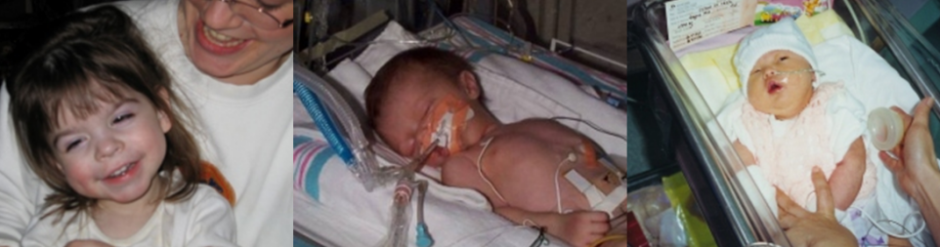
- 25+ Years Lived Experience: Navigating life with a daughter with CP provides a primary, first-person understanding of the physiological and clinical gaps in current care models.
- GE Alumnus & Business Leader: Leveraging decades of experience in operational excellence, complex systems, and strategic leadership to apply rigorous meta-study frameworks to neurological research.
- Methodology: Combines personal advocacy with professional systems-thinking to synthesize NCBI PubMed data into the actionable NeuroLoop Protocol.
Creator Credentials
Author: Matt Palaszynski
- Founder, BRIGHT Foundation: Leading a global initiative to “close the loop” on Cerebral Palsy recovery through data-driven research.
- 25+ Years Lived Experience: Navigating life with a daughter with CP provides a primary, first-person understanding of the physiological and clinical gaps in current care models.
- GE Alumnus & Business Leader: Leveraging decades of experience in operational excellence, complex systems, and strategic leadership to apply rigorous meta-study frameworks to neurological research.
- Methodology: Combines personal advocacy with professional systems-thinking to synthesize NCBI PubMed data into the actionable NeuroLoop Protocol.
Conflict of Interest Statement
The BRIGHT Foundation and its founder, Matt Palaszynski, maintain no commercial or business interests in the medical technologies, pharmaceutical products, or clinical services discussed on this page.
- Non-Profit Mission: Our objective is purely research-driven, aimed at identifying the most effective paths to a functional cure.
- Independence: No funding is received from manufacturers of the devices or therapies reviewed in our weekly meta-studies.
- Transparency: All citations are linked directly to PubMed (PMIDs) to ensure users can verify the raw data independently.