Neuroplasticity in Action: How TMS Rewires Brains in Cerebral Palsy / HIE
A review of 200 new global studies published in the week of August 1oth, 2026 yields zero (0) Additive findings.
However, Study #30 highlights a Supportive study discussing TMS. Also, BRIGHT participated in the 2026 Beijing Brain Conference and sat in on an exciting talk by Dr. Li Fei, on use of TMS for Autism, that seemed to show true gains in speech and social skills.
Executive Summary: Horizon Filter Evaluation – Week 33, Aug 10th, 2026
BRIGHT participated in the 2026 Beijing Brain Conference co-hosted by CIBR and Nature. BRIGHT presented a peer-reviewed poster, introducing its abstract titled “Beyond Top-Down Control: Operationalizing Connectome Circuits for HIE Restoration via The NeuroLoop Protocol”. The poster introduced BRIGHT’s ongoing thinking around long-term functional recovery in HIE/CP, translational neuroscience, and The NeuroLoop Protocol, a neuro-rehabilitation framework currently being explored by BRIGHT. BRIGHT also organized an August 17th, 2026 working session that brought together 10 cross-disciplinary experts from basic research, engineering translation, AI, and clinical practice. On the basic research side, participants included Dr. Yihong Ye, Deputy Director for Academic Affairs and Distinguished Investigator at CIBR; Dr. Don Cleveland, Distinguished Professor at the University of California, San Diego and 2018 Breakthrough Prize in Life Sciences laureate, who was invited to share his extensive experience partnering with patient advocacy organizations to design fast-moving, proactive translational frameworks.
One speaker that completely blew me away at the 2026 Beijing Brain Conference was a major breakthrough by Dr. Li Fei’s team using a new TMS protocol for Autism & co-occurring intellectual disabilities. The before-and-after videos showed clear, objective improvements in speech and social skills. It’s very rare to see actual videos of true improvement in academic papers. A p-value of <0.05 might satisfy a researcher in a lab, but parents don’t care about statistics; they want to see real-world results like better mobility and speech. Dr. Li Fei’s presentation showed before and after videos of children speaking words like “water”. The before and after improvement in clarity of the words was astounding.
I’ve personally experienced TMS before, and Dr. Li’s approach is totally different from the old, uncomfortable protocols. It’s a 5-day program where individual stimulation sessions last only about three minutes—making it incredibly practical and low-burden for families. This isn’t a sales pitch; you can’t buy this treatment right now. It was an elite research presentation at a top global expert forum. But it proves the science is moving.
Cerebral Palsy and autism are different, but the underlying neuroscience and neuroplasticity overlap deeply. Therefore it makes sense for our communities to be working closely together.
For a deeper understanding of Transcranial Magnetic Stimulation and Autism, review Dr. Li Fei’s TMS research directly.
Additionally, Study #30, High-frequency repetitive transcranial magnetic stimulation promotes motor recovery after spinal cord injury associated with spinal-cortical plasticity, demonstrates that high-frequency repetitive transcranial magnetic stimulation (rTMS) promotes locomotor recovery and enhances corticospinal tract remodeling following spinal cord injury in rats. These findings support biological approaches focused on targeted neuromodulation to reconstruct damaged neural circuits and restore motor function.
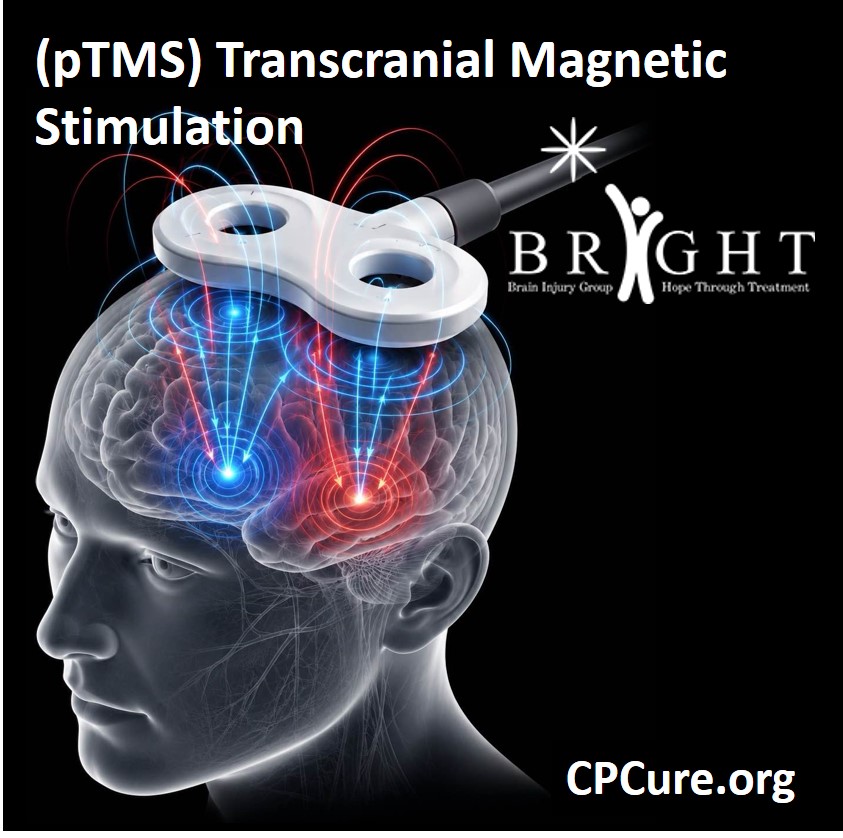
For the NeuroLoop, TMS fits into the NeuroLoop PRIME domain along side such neuromodulation techniques as taVNS, and specifically for neuromodulation targeting chronic Hypoxic-Ischemic Encephalopathy (HIE) within a closed-loop neuroplasticity rehabilitation framework, pTMS (Paired/Programmable TMS) is theoretically and mechanistically superior to traditional tTMS (Standard/Repetitive Transcranial Magnetic Stimulation).
pTMS (Paired Transcranial Magnetic Stimulation / Personalized TMS) refers to applying precise, timed pairs of magnetic pulses (or pairing a brain pulse with a peripheral nerve pulse, known as Paired Associative Stimulation / PAS). It can also refer to Personalized TMS (PrTMS), which adjusts frequencies based on real-time quantitative EEG (qEEG) data.
Hypoxic-Ischemic Encephalopathy damages the brain because global oxygen deprivation injures complex, integrated circuits rather than just a single localized “spot.” To heal a diffuse injury like HIE, you cannot just broadly blast an area with standard tTMS pulses.
Instead, pTMS uses Paired Associative Stimulation (PAS). By delivering an electrical pulse to a peripheral nerve (like the wrist or ankle) and timing a magnetic pTMS pulse to hit the motor cortex exactly when that peripheral signal arrives in the brain (typically a window of 25 milliseconds), it forces those specific, damaged pathways to re-wire. This utilizes the foundational neuroplastic rule: Hebbian plasticity–neurons that fire together, wire together.
A true closed-loop setup requires real-time feedback. Advanced pTMS set-ups link brain mapping (qEEG or live EMG) or motion tacking, directly to the magnetic stimulator. The system tracks the phase of the patient’s internal brain waves (such as the sensorimotor rhythm or alpha cycles) and commands the magnetic pulse to fire only during the peak of that wave. This maximizes the brain’s receptivity to neuroplastic change.
Chronic HIE survivors often display highly disorganized, asymmetric background slow-wave brain activity on an EEG. Personalized pTMS platforms map these unique, distorted frequencies. Instead of forcing a generic 10 Hz treatment on an asymmetric brain, pTMS dynamically adjusts the pulse intervals week-by-week to coax the disorganized HIE brain networks back into a synchronous rhythm.
Several major manufacturers now offer specialized “compact” or “tabletop” research-grade stimulators that skip the massive medical carts and operate entirely on standard 100-240V power. They pack standard clinical-strength rTMS, paired-pulse (pTMS), and Theta Burst (TBS) capabilities into a highly mobile, suitcase-sized footprint. They do not require liquid cooling loops or dedicated high-voltage building circuits, making it possible for TMS to be a realistic modality outside of massive institutions.
Executive Summary: Horizon Filter Evaluation – Week 33, Aug 10th, 2026
|
# |
Status |
Core Finding & Target Domain |
Source / PMID |
|
1 |
🟡 Supportive (Clinic Bound) |
Investigation of brain connectivity alteration in non-severe TBI ➔ Network Mapping Target: Maps visual-limbic network connectivity shifts under emotional load. Disqualified from home use due to reliance on continuous, high-cost clinical SPM12/CONN functional neuroimaging infrastructure. |
42571587 |
|
2 |
🟡 Legacy (Out of Scope) |
Observable signs of concussion in professional slap fighting ➔ Video Review Limits: Identifies motor incoordination and vacant looks via video protocols. Functions as a descriptive sports tracking tool for acute injury awareness, missing active chronic repair mechanisms. |
42571483 |
|
3 |
🟡 Legacy (Genetic Profile) |
Whole genome sequencing in cerebral palsy: UK pilot study ➔ Static Taxonomy: Identifies pathogenic variants in 12.8% of cases to inform genetic prognosis and familial recurrence risk. Relies on static diagnostic profiling without active neuroplastic repair. |
42571358 |
|
4 |
🟡 Legacy (Out of Scope) |
Visual Snow Syndrome following mild traumatic brain injury ➔ Diagnostic Referral: Outlines a unique post-TBI visual phenomenon requiring specialist ophthalmology referral for differential diagnosis. Provides no scalable home intervention loop. |
42571114 |
|
5 |
🟡 Legacy (Acute Phase) |
Cerebral High-Frame-Rate Ultrasound Imaging in NICU ➔ Hyperacute Perfusion Triage: Uses high-frequency plane-wave Doppler to calculate flow indices and evaluate blood flow velocity shifts in neonates with unilateral brain injury. Restricted entirely to acute ICU tracking and pathobiology prevention. |
42570928 |
|
6 |
🟡 Legacy (Descriptive Profile) |
Posttraumatic epilepsy: Pathophysiology and clinical characteristics ➔ Descriptive Narrative: Reviews lifespan epidemiology, epileptogenesis, and individual risk assessments for long-term sequelae. Fails to introduce any active physical or biological catalyst. |
42570370 |
|
7 |
🟡 Legacy (Socio-Vocational) |
Critical role of meaningful employment in brain injury rehab ➔ Vocational Tracking: Explores the impact of purposeful work on self-esteem using manual COPM and BDI scales. Tracks structural transportation barriers without expanding core NeuroLoop protocol architecture. |
42570256 |
|
8 |
🟢 Additive (Animal Only) |
IL-19(+) monocytes suppress neuroinflammation after TBI ➔ Active Catalyst Switch: Identifies a cranial bone marrow-derived monocyte population that limits microglial hyper-responses via the IL-19/IL-20R axis. Disqualified from home translation due to the requirement for invasive intracerebroventricular injections in mice. |
42570240 |
|
9 |
🟡 Legacy (Animal Only) |
Altered hippocampal lipid profile underlies anxiety secondary to mTBI ➔ Early Pathology Trap: Identifies region-specific diacylglycerol and phospholipid alterations in C57BL/6 mice 48–72 hours post-weight-drop. Far removed from chronic human functional utility. |
42570207 |
|
10 |
🟡 Supportive (Invasive) |
Pulsed Radiofrequency for Post-Stroke Complications ➔ Minimally Invasive Constraint: Reviews PRF neuromodulation for post-stroke pain and motor recovery. Disqualified from home use as it remains a minimally invasive, clinic-bound procedure targeting specific nerves under image guidance. |
42570137 |
|
11 |
🟡 Legacy (Acute Phase) |
Erratum: Sustained neuronal DNA damage and radiation-induced brain injury ➔ Out of Scope: Historical correction regarding acute blood-brain barrier disruption pathways following cellular radiation damage. |
42570001 |
|
12 |
🟡 Legacy (Administrative) |
The Open Data Commons for Traumatic Brain Injury Platform ➔ Administrative Informatics: Describes an interagency community repository and data-sharing behavior for pre-clinical research management. Contains no direct therapeutic loops. |
42569911 |
|
13 |
🟡 Legacy (Descriptive Profile) |
Functional outcomes and barriers of assistive devices in Rwanda ➔ Descriptive Profiling: Cross-sectional study matching adapted spoons and orthoses to play skills. Tracks manual device costs and geographic barriers without expanding NeuroLoop hardware architecture. |
42569845 |
|
14 |
🟡 Legacy (Administrative) |
Temporal trends in post-cardiac arrest brain injury research ➔ Bibliometric Analysis: Maps a decade of literature shifting from hypothermia to multimodal prognostication. Serves as academic meta-data with a complete clinical translation gap. |
42569436 |
|
15 |
🟡 Supportive (Animal Only) |
Nanozyme-based therapeutic strategies for traumatic brain injury ➔ High Translational Risk: Reviews oligomeric carbon nanozymes that restore redox homeostasis and preserve cerebral perfusion in preclinical models. Disqualified from home scaling due to unverified human safety and early-stage animal data. |
42569353 |
|
16 |
🟡 Legacy (Acute Phase) |
Out-of-hospital cardiac arrest with unusual cardiac anatomy ➔ Emergency Care Window: Case study of a Fontan circulation arrest resulting in diffuse hypoxic injury and care withdrawal. Restricted entirely to hyperacute resuscitation triage. |
42568957 |
|
17 |
🟡 Legacy (Associative) |
DNA methylation in bipolar disorder: mechanistic insights ➔ Associative Epigenetics: Delineates neurotransmitter methylation markers that remain experimental. Findings are associative rather than causal and lack blood-brain barrier delivery validation. |
42568843 |
|
18 |
🟡 Legacy (Administrative) |
Editorial: Abnormal visual processing ➔ Institutional Filler: General introductory editorial commentary regarding visual stream processing dynamics without any therapeutic interventional data. |
42568734 |
|
19 |
🟡 Supportive 🟡 Legacy |
Effects of acute and long-term exercise modalities on BDNF in stroke ➔ Automated Target Validation: Bayesian network meta-analysis proving long-term, high-dose multicomponent exercise upregulates peripheral BDNF. Validates BRIGHT’s automated exercise targets. |
42568697 |
|
20 |
🟡 Legacy (Clinic Bound) |
Imaging Evaluation to Determine Timing of Early Rehab in Pediatric ABI ➔ Hospital Baseline Constraint: Case report using active practice safely in a 1-year-old boy. Disqualified from home use as it relies on imaging-based diagnostic assessment to time acute mobilization. |
42568691 |
|
21 |
🟡 Supportive 🟡 Supportive |
Neuroplasticity After Stroke: Implications for Rehabilitation ➔ Core Software Verification: Reviews robotic-assisted and sensor-based training to leverage Hebbian and homeostatic plasticity. Confirms established therapeutic concepts already built into the engine. |
42568667 |
|
22 |
🟡 Supportive (Clinic Bound) |
Emergence From MCS Following Addition of Zolpidem to Amantadine ➔ Complex Institutional Protocol: Escalates amantadine to 200 mg/day to raise CRS-R scores. Requires centralized hospital PET-CT metabolic brain tracking to verify the active baseline. |
42568638 |
|
23 |
🟡 Legacy (Clinic Bound) |
Irreversible Brainstem Atrophy After Fibrin-Sealant Hypersensitivity ➔ Inpatient Prognostication: Evaluates delayed immune-mediated ventral medullary injury. Uses prolonged evoked potentials to establish a neuroplastic ceiling, locked to inpatient critical care. |
42568611 |
|
24 |
🟡 Legacy (Narrative) |
Neuroprotective effects of noble gases following acquired brain injury ➔ Preclinical Narrative: Reviews xenon and argon properties to reduce secondary injury pathways. Notes clinical translation is tightly restricted by gas delivery infrastructure. |
42568591 |
|
25 |
🟡 Legacy (Descriptive) |
Brain heart crosstalk after ischemic stroke: unified framework ➔ Descriptive Pathology: Delineates neuroinflammation and catecholamine surges, but notes data remains observational or derived from non-stroke populations. |
42568529 |
|
26 |
🟡 Supportive (Animal Only) |
Complement C3 inhibitory peptide AMY-101 in NMOSD ➔ Early Biological Phase: Demonstrates reduced astrocyte loss, AQP4 depletion, and demyelination via complement inhibition. Restricted to cell lines and an intracerebral injection mouse model. |
42568287 |
|
27 |
🟡 Legacy (Acute Phase) |
Neuroprotection and Enhanced Hemoglobin Excretion by Clazosentan ➔ Hyperacute Window: Investigates a 24-hour continuous intracerebroventricular infusion to limit early subarachnoid neuroinflammation in mice. Out of scope for chronic injury. |
42568063 |
|
28 |
🟡 Legacy (Observational) |
Implications of Non-Fatal Strangulation-Acquired Brain Injury ➔ Observational Synthesis: Integrative review of cognitive and emotional deficits in IPV survivors, advocating for clinical screening guidelines without active repair mechanisms. |
42568014 |
|
29 |
🟡 Supportive (Animal Only) |
PDCD1 Signaling in Microglia Can Reduce Neuroinflammation ➔ Invasive Rodent Traps: Uses a controlled cortical impact mouse model and knockdown vectors to map microglial inflammation and apoptosis via the PI3K/Akt pathway. |
42567990 |
|
30 |
🟡 Supportive (Animal Only) |
rTMS promotes motor recovery after spinal cord injury in rats ➔ Animal Isolation: High-frequency rTMS drives corticospinal tract projections distal to a lesion via MEK/ERK signaling, but tested strictly in adult female rats. |
42567502 |
|
31 |
🟡 Legacy (Acute Phase) |
Intrahospital Transport-Related Adverse Events in Neurosurgery ➔ Emergency突发 Window: Tracks oxygen saturation drops and vasoactive support complications during acute ICU transfers, providing no chronic neurorehabilitation metrics. |
42567224 |
|
32 |
🟡 Legacy (Observational) |
Emergence and remission of suicidal thoughts and behaviors after TBI ➔ Retrospective Database Profile: Extracts ten-year demographic and psychiatric histories from national model systems, functioning as descriptive data with no active interventional leverage. |
42551564 |
|
33 |
🟡 Legacy (Subjective Metric) |
Validation of QOLIBRI-KIDDY questionnaires after paediatric TBI ➔ Subjective Metric Tool: Statistical validation of self-rated and proxy-rated quality of life questionnaires, serving as an assessment tool with no neuroplastic remodeling capacity. |
42566716 |
|
34 |
🟡 Legacy (Clinic Bound) |
Neuroimaging of the ictal-interictal continuum: systematic review ➔ Heavy Diagnostic Machine: Meta-analysis pooling CT perfusion and PET detection rates for peri-ictal neuroimaging abnormalities, locked within advanced hospital networks. |
42566300 |
|
35 |
🟡 Legacy (Descriptive) |
From Recanalization to Failed Recovery: No Reflow, No Rescue, No Regrow ➔ Descriptive Literature: Proposes a mechanistic framework for futile macrovascular reperfusion due to capillary obstruction, serving as an academic review of known barriers. |
42566118 |
|
36 |
🟡 Legacy (Animal Only) |
Fluoride exposure induces oxidative damage in primary astrocytes ➔ Toxin Biology Trap: Evaluates reactive oxygen species bursts and the Nrf2-NQO1 pathway in primary astrocytes from SD rats under environmental toxin stress. |
42566077 |
|
37 |
🟡 Legacy (Acute Phase) |
Retraction Note: Chrysin attenuates TBI-induced recognition memory decline ➔ Out of Scope: Retraction of a historical study involving antioxidant pathways in acute traumatic rodent models. |
42566018 |
|
38 |
🟡 Legacy (General Advice) |
A peripheral perspective on brain health: vascular and skeletal muscle ➔ General Lifestyle Advice: Review of the muscle-vascular-brain axis, concluding that general resistance training may preserve cognitive health, offering no precise hardware control. |
42555788 |
|
39 |
🟡 Supportive (Clinic Bound) |
Mapping basal ganglia circuitry in altered states of consciousness ➔ Institutional Neuro-Mapping: Connects functional MRI connectivity to propofol anesthesia networks, locked to multi-million dollar clinical fMRI infrastructure. |
42555506 |
|
40 |
🟡 Supportive (Clinic Bound) |
Anatomical and functional state of corticospinal tract in severe TBI ➔ Complex Diagnostic Layout: Compares muscle strength to single-pulse transcranial magnetic stimulation (sTMS) thresholds, locked within institutional emergency pediatric surgery clinics. |
42555404 |
|
41 |
🟡 Legacy (Institutional) |
Mild neonatal hypoxic-ischemic encephalopathy: current controversies ➔ Institutional Discussion: Reviews the uncertainty of therapeutic hypothermia timing and outcome definitions in mild HIE, serving as descriptive clinical policy. |
42555342 |
|
42 |
🟡 Legacy (Acute Phase) |
Late neurologic outcomes in severe anoxic brain injury after arrest ➔ Prognostic Follow-up: Tracks longitudinal 12-month mortality and severe disability (CPC 3-4) following delayed awakening patterns in an acute multicenter cohort. |
42555112 |
|
43 |
🟡 Legacy (Out of Scope) |
Baseline Performance on Concussion Assessments of Athletes Who Are Deaf ➔ Descriptive Profiling: Cross-sectional baseline mapping of Division III athletes using standard tandem gait and neurocognitive testing, identifying adaptations without repair. |
42554964 |
|
44 |
🟡 Legacy (Descriptive) |
Central neuroendocrine dysregulation in ischaemic stroke sequelae ➔ Descriptive Pathology: Narrative review linking chronic HPA axis hyperactivity and glucocorticoid resistance to depression, mapping a known pathway without intervention. |
42554771 |
|
45 |
🟡 Legacy (Descriptive) |
Structural brain injury on MRI in heart failure and high-risk patients ➔ Descriptive Informatics: Uses cluster analysis to associate systemic inflammation and lacunes with age and hypertension, documenting brain abnormalities without treating them. |
42554725 |
|
46 |
🟡 Legacy (Socio-Behavioral) |
Athletic Trainers That Influence Subjectivity in Medical Disqualification ➔ Socio-Behavioral Survey: Online questionnaire evaluating the personal opinions and experience of athletic trainers during concussion discussions, presenting no physiological data. |
42554671 |
|
47 |
🟡 Legacy (Acute Phase) |
Correlation of Contusion Morphology and Volume With Functional Recovery ➔ Surgical Workflow: Prospective tracking of traumatic cerebral contusions on non-contrast CT to predict decompressive craniectomy needs, locked to emergency surgical suites. |
42554511 |
|
48 |
🟡 Legacy (Surgical) |
Continuum of Irreversible Sequelae: Axonal Injury and Hydrocephalus ➔ Surgical Assessment: Reviews ventriculomegaly versus post-traumatic hydrocephalus to select patients for programmable shunts, serving as a standard neurosurgical diagnostic guide. |
42554451 |
|
49 |
🟡 Supportive (Clinic Bound) |
Automated Semisupervised Measurement of ONSD From CT Following TBI ➔ Automated Target Validation: Introduces a deep-learning slice selection pipeline to measure optic nerve sheath diameter automatically. Validates computer-vision tracking metrics but requires clinical CT scanners. |
42554439 |
|
50 |
🟡 Legacy (Acute Phase) |
Surgical Versus Conservative Management in Severe TBI (GCS 3-4) ➔ Surgical Triage: Retrospective tracking of mass lesion evacuations performed within 6 hours of injury, locked completely within specialized critical care operating theaters. |
42554423 |
|
51 |
🟡 Legacy Animal Only / Acute |
Pediatric Repetitive Mild Traumatic Brain Injury Elicits T Cell-Mediated Neuroinflammation ➔ Pathology Target: Proves rmTBI triggers CD4+/CD8+ T-cell white matter infiltration in the corpus callosum using TCRβ-/- δ-/- mouse lines. |
42564368 |
|
52 |
🟡 Legacy Acute Phase |
Predicting Traumatic Brain Injury Outcomes: Clinical Signs, Laboratory Indicators and Radiology ➔ Emergency Triage: Correlates hypernatremia and Marshall grade IV with ICU mortality, establishing acute triage baselines rather than chronic active repair. |
42564358 |
|
53 |
🟡 Legacy Administrative |
Brain-Dead Organ Donation in Neurosurgical Care: Roles of Neurosurgeons and KODA ➔ Institutional Policy: Outlines the clinical pathway and institutional framework for organ procurement following severe TBI and ischemic/hypoxic brain injury in Korea. |
42564300 |
|
54 |
🟡 Legacy Acute Phase |
Efficacy of early enteral nutrition in patients with traumatic brain injury ➔ ICU Nutrition Timeline: Meta-analysis demonstrating that initiating enteral nutrition within 48 hours of TBI reduces sepsis and mechanical ventilation days. |
42564143 |
|
55 |
🟡 Legacy Acute Phase |
Traumatic brain injury in patients with mechanical heart valves on lifelong anticoagulation ➔ Emergency Hematology: Retrospective analysis of early anticoagulation reversal strategies and admission INR values following acute intracranial hemorrhage. |
42564064 |
|
56 |
🟡 Legacy Observational |
Early-Life Clinical Factors Shape Cerebellar Structure in Preterm-Born Children ➔ Developmental Profiling: Correlates mechanical ventilation and opioid exposure in very preterm neonates with reduced cerebellar subregion volumes at age 8. |
42563932 |
|
57 |
🟡 Legacy Palliative |
Pediatric Neuropalliative Medicine Clinic: Five-Year Data Characterizing a Novel Model ➔ Care Workflow: Tracks consultative outpatient clinics managing complex directives and code status for fragile children with epileptic encephalopathy and ABI. |
42563917 |
|
58 |
🟡 Legacy Observational |
Region-Specific Brain Imaging Correlates of Repetitive Head Impact Exposure ➔ Static Imaging Profile: Measures postseason frontal cortex mean diffusivity changes correlating with cumulative nonconcussive football impacts. |
42563522 |
|
59 |
🟢 Additive Animal Only |
Injectable Supramolecular Hydrogel Encapsulating CRISPR-Engineered MSCs ➔ Active Catalyst Switch: Modifies molecular microenvironments via self-healing hydrogels delivering gene-edited stem cells to multiplex the activation of repair factors IL-10/FGF21. |
42563249 |
|
60 |
🟡 Legacy Observational |
Magnetoencephalography and Neuroplasticity: Lifetime Concussions and Head Impact Exposure ➔ Retrospective Tracking: Multivariable linear regression matching total years of contact sport exposure to somatic and cognitive scores, finding no exit-level changes. |
42563206 |
|
61 |
🟡 Legacy Observational |
Phenotype-specific white matter microstructural alterations in Wilson disease ➔ Static Pathology Profile: Applies NODDI diffusion imaging to distinguish neurite density reductions in neurological versus hepatic phenotypes, showing no repair. |
42562855 |
|
62 |
🟡 Legacy Observational |
Vascular risk factors’ impact on motor performance and SMN integrity in MS ➔ Comorbidity Profile: Uses Expanded Disability Status Scale maps to demonstrate how hypertension and dyslipidemia compound region-specific sensorimotor gray/white matter loss. |
42562771 |
|
63 |
🟡 Supportive Clinic Bound |
Impact of the hybrid emergency room system on long-term functional outcomes ➔ Gait Loop Validation: Shows a major reduction in time-to-CT (11 min) and surgery (48 min) via single-suite IR/OR architecture, accelerating known macro-stabilization loops. |
42562704 |
|
64 |
🟡 Legacy Observational |
Everolimus for the treatment of neuropsychological deficits in TSC ➔ Pharmacological Tracking: Multi-centre randomized trial tracking memory and executive function changes under mTOR inhibitors, finding small effect sizes and high practice effects. |
42562625 |
|
65 |
🟡 Legacy Administrative |
Fifteen-minute consultation: The mimics of cerebral palsy ➔ Diagnostic Screening Framework: Establishes a clinical paediatric screening framework to differentiate static CP from progressive genetic, metabolic, or neurodegenerative mimics. |
42562624 |
|
66 |
🟡 Legacy Observational |
Early hand preference and infantile spasms: A case of left-sided cerebral palsy ➔ Descriptive Case Profile: Documents early hand dominance as a clinical indicator of focal hemisphere injury and asymmetrical structural integrity. |
42562440 |
|
67 |
🟡 Legacy Observational |
Factors Associated With Accelerated Fracture Healing in Patients With TBI ➔ Physiological Sarcopenia Profile: Retrospective study correlating younger age and greater TBI severity (low GCS) with neurohumoral-driven accelerated bone regeneration. |
42562380 |
|
68 |
🟡 Legacy Animal Only |
Creatine preserves mitochondrial integrity via regulation of Na⁺,K⁺-ATPase ➔ Metabolic Baseline Modifier: Demonstrates that oral post-injury creatine preserves mitochondrial respiratory chain complex I-III and CKm activity in fluid-percussion injured rats. |
42562329 |
|
69 |
🟡 Legacy Observational |
Assessment and Management of Spastic Shoulder in Patients with Brain Injury ➔ Manual Workflow: Reviews the integration of motor blocks, botulinum toxin, stretching, and surgical tenotomies to execute personalized, manual SMART clinical goals. |
42562179 |
|
70 |
🟢 Additive Animal Only |
Mas receptor activation promotes mitophagy and preserves neuronal function ➔ Active Catalyst Switch: Introduces a precise biochemical toggle via the selective agonist AVE0991 to reactivate PINK1/Parkin-mediated mitochondrial clearance loops. |
42562073 |
|
71 |
🟡 Supportive Clinic Bound |
Effects of BCI-Based Training on Post-Stroke Lower Limb Rehabilitation ➔ Gait Loop Validation: Systematic review confirming BCI closed-loops improve lower limb Fugl-Meyer scores, validating established automated movement loops. |
42562060 |
|
72 |
🟡 Legacy Acute Phase |
Nationwide Analysis of Hospital Disposition After Tracheal Intubation ➔ ICU Epidemiology Profile: Weights survey designs across 2 million emergency department encounters to track hospital mortality risk interactions between age and cerebral hemorrhage. |
42561872 |
|
73 |
🟡 Legacy Observational |
An examination of the association between physical health conditions and suicide ➔ Retrospective Database Profile: Uses population-based NESARC-III data to isolate independent risk correlations between lifetime epilepsy diagnoses and psychiatric burden. |
42561605 |
|
74 |
🟡 Supportive Clinic Bound |
Kinematic-muscular synergies describe biomechanics of locomotion in CP ➔ Hardware Target Matching: Applies mixed-matrix factorization to 8 lower-limb muscles and joint accelerations, validating tracking targets for automated sensory hardware. |
42561535 |
|
75 |
🟡 Legacy Narrative |
Neuroimmune mechanisms of the gut-brain axis in treatment-resistant depression ➔ Descriptive Gut-Brain Profile: Reviews microbial SCFA-producing taxa and kynurenine/tryptophan ratios as experimental biomarkers, lacking direct home intervention loops. |
42561489 |
|
76 |
🟡 Supportive Home Scalable |
Adaptive seating for children with cerebral palsy classified as GMFCS IV-V ➔ Scalable Delivery Validation: Validates that low-cost, commercially available car seats significantly improve Posture and Posture Ability Scale (PPAS) scores at home. |
42561382 |
|
77 |
🟡 Legacy Narrative |
Commentary on reflections on participation in the community ➔ Institutional Filler: Summary commentary discussing subjective, self-reported social participation variables in young people with cerebral palsy. |
42561381 |
|
78 |
🟡 Legacy Acute Phase |
Surgical stabilization of flail chest: Patient selection and outcomes ➔ ICU Surgical Profile: Uses ACS-TQIP registry data to track ventilator-free days following SSRF interventions in trauma patients with concomitant severe head injury. |
42560998 |
|
79 |
🟡 Supportive Clinic Bound |
A trans-therapeutic signature of recovery in internet gaming disorder ➔ Core Software Verification: Applies PLS regression and similarity network fusion to RS-fMRI data, mapping cortical-subcortical network rebalancing during active training. |
42560759 |
|
80 |
🟡 Supportive Clinic Bound |
Effects of a Virtual Reality-Based Balance Training Program on Clinical Outcomes ➔ Gait Loop Validation: Pairs 4 weeks of VR balance training with resting EEG band tracking to correlate motor coordination gains directly with alpha/beta power increases. |
42560357 |
|
81 |
🟡 Legacy Narrative |
Motor learning in children with movement difficulties: modified Delphi study ➔ Socio-Behavioral Survey: Maps standard Likert-scale consensus among paediatric physiotherapists trying to reconcile traditional impairment normalisation with active motor rules. |
42560351 |
|
82 |
🟡 Legacy Observational |
Neuropsychiatric Consequences of Subjective Return-to-Activity Measures ➔ Static Biomarker Profile: Correlates persistent post-concussion pupillary light reflex (PLR) velocity constriction deficits with depressive and anxious symptom scores. |
42560280 |
|
83 |
🟡 Legacy Animal Only |
A Hybrid Paradigm to Develop Head Injury Criteria for Behind Helmet Trauma ➔ Preclinical Modeling: Reanalyzes PMHS forces and risk curves to build helmet Deflection Injury Criteria, combining cadaveric and live animal data points. |
42560270 |
|
84 |
🟡 Legacy Observational |
Provider Perceptions of Current Concussion Care Practices for Service Members ➔ Socio-Behavioral Survey: Focuses on thematic qualitative survey interviews with military primary care providers discussing Progressive Return to Activity tracking friction. |
42560204 |
|
85 |
🟡 Legacy Observational |
Exploring Relationship Between Hearing Status, Cognitive Function, and Blast Burden ➔ Static Biomarker Profile: Tracks retrospective military registries to correlate service-related blast exposures with somatosensory and vestibular symptom variance. |
42560200 |
|
86 |
🟡 Legacy Narrative |
A scoping review of therapies to support marriages after acquired brain injury ➔ Socio-Vocational Tracking: Systematic review compiling relationship interventions, family therapy, and emotion-focused trials, noting weak overall designs and low effect sizes. |
42560025 |
|
87 |
🟡 Legacy Observational |
Three-Year Outcomes Following Hip Reconstruction in Cerebral Palsy ➔ Static Surgery Profile: Utilizes TriNetX federated insurance tracking to document early hardware dislocation and late-stage hardware infection incidence across 1,037 cases. |
42559698 |
|
88 |
🟡 Legacy Animal Only |
mPFC hemorrhage induces hippocampal CA1 dendritic spine plasticity ➔ Early Pathology Trap: Evaluates attentional shifting set-loss errors alongside hemisphere-specific Golgi staining in a mouse model of intracerebral hemorrhage. |
42559649 |
|
89 |
🟡 Legacy Acute Phase |
Successful endoscopic evacuation of traumatic intracerebral hemorrhage ➔ Hyperacute Surgery: Reports technical feasibility parameters for rigid neuroendoscopic hematoma purging through focal skull burr holes during acute traumatic decompressive episodes. |
42559473 |
|
90 |
🟡 Legacy Invasive |
Delayed traumatic spinal epidural hematoma after mild TBI ➔ Surgical Case Profile: Case report detailing a late-presenting T11-L5 stenosis requiring an invasive unilateral laminotomy for bilateral mechanical decompression. |
42559466 |
|
91 |
🟡 Legacy Administrative |
Economic burden and cost drivers of traumatic brain injury ➔ Socio-Economic Tracking: Cross-sectional cost analysis measuring Togolese direct medical out-of-pocket expenditures against the national monthly minimum wage baseline. |
42559368 |
|
92 |
🟡 Legacy Observational |
Head Impact Exposure Across Levels of Play in American Football ➔ Static Biomarker Profile: Accelerometer-based systematic review matching youth and collegiate linear/rotational impact frequencies without exposure denominators. |
42559270 |
|
93 |
🟡 Legacy Acute Phase |
Transient Bilateral Fixed Dilated Pupils Following Papaverine Use During MVD ➔ Emergency Pharmacology: Case report analyzing transient intraoperative mydriasis mimicking catastrophic brainstem herniation due to local papaverine infiltration. |
42559265 |
|
94 |
🟡 Legacy Observational |
Genetic factors complicating recovery in brain injury: Intracerebral amyloid ➔ Static Genetic Profile: Narrative review evaluating the associations of apolipoprotein E epsilon 4 (APOEε4) variants with secondary Aβ deposition and lobar hemorrhage risk. |
42559224 |
|
95 |
🟡 Legacy Observational |
Decoding everyday levels of musical training from subcortical white-matter ➔ Static Brain Profile: Applies cross-validated machine learning on diffusion MRI structural connectomes to weigh fiber bundle capacity against self-reported skill sets. |
42559177 |
|
96 |
🟡 Legacy Observational |
The Response of the Default Mode Network to Aerobic Exercise in Concussion ➔ Static Brain Profile: Graph theory analysis tracking network efficiency and right lateral parietal node connectedness changes following submaximal treadmill trials in youth. |
42558972 |
|
97 |
🟡 Legacy Narrative |
Lacosamide Use After Traumatic Brain Injury: A Scoping Review ➔ Preclinical Narrative: Charts 10 heterogeneous clinical and rodent trials assessing LCM sodium-channel slow inactivation for early post-traumatic seizure prophylaxis. |
42558887 |
|
98 |
🟡 Legacy Administrative |
A Multiliteracies Approach to Transforming Written Cases Into Video Cases ➔ Educational Design: Iterative design thinking project developing contextually grounded video simulation models for speech pathology and clinical reasoning training. |
42558789 |
|
99 |
🟡 Legacy Palliative |
Growth Modulation of Proximal Femur Physis in CP and DDH ➔ Static Surgery Profile: Meta-analysis comparing radiographic neck-shaft angles and reoperation metrics in children undergoing temporary medial hemiepiphysiodesis screws. |
42558785 |
|
100 |
🟡 Legacy Low Impact |
Efficacy and Safety of Hopantenic Acid in Pediatric NDDs ➔ Active Catalyst Switch: Systematic review evaluating an oral GABA-B agonist to modulate psychomotor stability, passing home delivery metrics but carrying an unmodifiable liver metabolism barrier. |
42558633 |
|
101 |
🟡 Legacy Observational |
Comorbidities in children with cerebral palsy: retrospective observational study in UAE ➔ Developmental Profiling: Explores comorbidity burden across CP subtypes, highlighting global developmental delay (78.6%) and drug-resistant epilepsy (63.7%). Documents static state variations without active neuro-repair pathways. |
42558534 |
|
102 |
🟡 Legacy Narrative |
Oxidative stress as a driver of organelle cascade damage in neurological diseases ➔ Descriptive Pathology: Outlines inter-organelle crosstalk and cascade damage under cellular stress, mapping a known degenerative cascade without an adaptive home intervention engine. |
42558527 |
|
103 |
🟡 Legacy Narrative |
Exercise as an adjunct intervention for social anxiety disorder: a mini-review ➔ General Advice: Synthesizes the general benefits of aerobic activity on mental resilience and body image, offering subclinical behavioral guidance without precise hardware loop integration. |
42558442 |
|
104 |
🟡 Legacy Acute Phase |
Colchicine for the Prevention of Vascular Events After an Acute Intracerebral Hemorrhage ➔ Hyperacute Pilot: Evaluates short-term safety and recruitment feasibility of low-dose colchicine started within 48 hours of an acute stroke, finding no early efficacy signals. |
42558067 |
|
105 |
🟢 Additive Animal Only |
Gas-6 Scavenges Anionic Phospholipid-Expressing Microparticles and Mitigates TBI Pathology ➔ Active Catalyst Switch: Employs exogenous Gas-6 to actively purge thromboinflammatory debris and protect endothelial tight junctions. Disqualified from home translation due to early preclinical mouse restraints. |
42558045 |
|
106 |
🟡 Legacy Animal Only |
Multipathway modulation of neuroinflammation and oxidative stress by hesperidin ➔ Low Impact Trap: Citrus supplement alters cytokine balances in a preclinical rat model, but faces a brutal >95% first-pass liver metabolism barrier that strips its real-world clinical potency. |
42557968 |
|
107 |
🟡 Supportive Home Scalable |
Comparison of Synchronous Telerehabilitation and Face-to-Face Methods in Hemiparetic CP ➔ Scalable Delivery Validation: Confirms that home telerehabilitation delivery of activity-based training yields equivalent functional motor improvements (QUEST/SHUEE) as on-site clinical camps. |
42557830 |
|
108 |
🟡 Legacy Narrative |
Sport-Related Concussion Prevention Programs in Soccer: A RE-AIM Scoping Review ➔ Administrative Informatics: Maps soccer-based concussion awareness and neck-strengthening educational programs, finding a complete absence of long-term tracking data. |
42557515 |
|
109 |
🟡 Legacy Administrative |
Trends and disparities in gun violence-related neurotrauma incidence across the US ➔ Socio-Economic Tracking: Uses the Global Burden of Disease registry to quantify three-decade socioeconomic and regional variations in firearm-related TBI and SCI disability markers. |
42557490 |
|
110 |
🟢 Additive Animal Only |
Hematopoietic Growth Factors Induce More Extensive Transcriptomic Remodeling in Chronic TBI ➔ Active Catalyst Switch: Drives active microenvironmental repair by delivering subcutaneous SCF + G-CSF to induce anti-inflammatory transcriptomic phenotypes in cerebral monocytes. Restricted to mice. |
42557436 |
|
111 |
🟡 Legacy Acute Phase |
Albumin-Anchored Thromboinflammatory Ratios Provide Modest Prognostic Value in aSAH ➔ Emergency Biomarker Profile: Analyzes acute D-dimer-to-albumin ratios within 24 hours of hemorrhage to predict in-hospital mortality and early structural failure. |
42557435 |
|
112 |
🟡 Legacy Acute Phase |
The Effects of Transport Altitude on Outcomes in Traumatic Brain Injury (HEIGHT-TBI) ➔ Emergency Workflow: Observational tracking linking hypobaric aeromedical flights above 6000 ft and in-flight hypotension to increased acute mortality trends in acute trauma cohorts. |
42557135 |
|
113 |
🟡 Supportive Clinic Bound |
Clinical outcomes of transposition osteotomy of the acetabulum for neurogenic hip dysplasia ➔ Surgical Optimization: Restores joint coverage and provides mid-term pain relief via major joint reconstruction surgery, tracking structural mechanical correction loops. |
42556987 |
|
114 |
🟡 Legacy Narrative |
Drugs and Cell-Based Therapies for the Prevention and Treatment of Neonatal Brain Injury ➔ Institutional Discussion: Summarizes the uniform failure of clinical erythropoietin trials for neonatal brain injury, documenting institutional evidence blocks rather than active repair. |
42556981 |
|
115 |
🟡 Legacy Institutional |
Proven Neonatal Neuroprotection Strategies: Magnesium Sulfate and Therapeutic Hypothermia ➔ Hyperacute Institutional: Outlines established obstetric and NICU guidelines for magnesium delivery and cooling protocols to mitigate hyperacute HIE cascades. |
42556773 |
|
116 |
🟡 Legacy Animal Only |
C1q dependency of retinal ganglion cell death in blast-mediated traumatic brain injury ➔ Static Pathology Profile: Evaluates long-term optic nerve axonal survival using C1qa genetic knockout mouse strains exposed to blast-mediated secondary degeneration. |
42556720 |
|
117 |
🟡 Legacy Invasive |
Modified Expansion-Floating Craniotomy for Refractory Intracranial Hypertension ➔ Surgical Profile: Evaluates a bone-flap-preserving bedside Quick-Release repositioning knot to relieve malignant pressure, requiring an invasive acute skull opening. |
42556656 |
|
118 |
🟡 Legacy Narrative |
The role of PANoptosis regulatory networks in acute neurological injury ➔ Descriptive Pathology: Synthesizes molecular cell-death pathways (ZBP1/RIPK1) in early stroke and spinal models, organizing structural definitions without dynamic hardware interventions. |
42556602 |
|
119 |
🟡 Legacy Observational |
Altered Mechanical Somatosensory Processing in Young People with Cerebral Palsy ➔ Static Biomarker Profile: Applies age-referenced z-score sensory testing to map elevated mechanical pain thresholds, showing a disconnect between neural thresholds and subjective distress. |
42556487 |
|
120 |
🟢 Additive Animal Only |
Microglial SREBP2 Regulate Cholesterol Metabolism and Inflammation Post-Stroke ➔ Active Catalyst Switch: Manipulates the microglial SREBP2 autophagy pathway to resolve toxic cholesterol accumulation and improve survival rates in MCAO models. Restricted to mice. |
42556280 |
|
121 |
🟡 Supportive Clinic Bound |
Propranolol attenuates systemic inflammatory response in aged TBI patients ➔ Surgical Optimization: Retrospective cohort and rodent study utilizing beta-blockade to shift peripheral bone marrow monocyte infiltration, modifying systemic trauma pathways. |
42556181 |
|
122 |
🟡 Supportive Clinic Bound |
Effect of extracorporeal shock wave therapy on gastrocnemius spasticity in CP ➔ Hardware Target Matching: Pairs 12 weeks of high-powered, clinic-bound ESWT with sonographic monitoring to achieve short-term GMFM score improvements, validating localized muscle targets. |
42556048 |
|
123 |
🟡 Legacy Subjective Metric |
Comparing PROMIS Global Health and Rivermead Post-concussion Symptoms Questionnaire ➔ Subjective Metric Tool: Statistical validation study showing poor individual patient-level agreement between global health surveys and symptom-specific TBI metrics. |
42556001 |
|
124 |
🟡 Legacy Acute Phase |
Association of time-averaged systemic immune-inflammation indices with mortality after ICH ➔ ICU Epidemiology Profile: Extracts MIMIC-IV database metrics over 72 hours post-stroke to map non-linear mortality spikes linked to early systemic inflammatory acceleration. |
42555976 |
|
125 |
🟡 Legacy Animal Only |
Esketamine alleviates neuroinflammation and cognitive impairment in male 3xTg-AD mice ➔ Preclinical Modeling: Links esketamine protection to the TAOK1/IL-17 axis, but executed strictly in a transgenic rodent model with an unverified chronic human transfer horizon. |
42555907 |
|
126 |
🟡 Legacy Observational |
Distinct Patterns of Syntactic Errors Doubly Dissociate in Chronic Poststroke Aphasia ➔ Static Brain Profile: Conducts voxelwise lesion-symptom mapping to connect expressive linearization errors to frontal cortex lesions, detailing speech damage without treatment. |
42555850 |
|
127 |
🟡 Legacy Animal Only |
Endothelin-1 Signaling Mediates Hypoxia-Induced Microglial Activation ➔ Early Pathology Trap: Evaluates the endothelin B receptor antagonist BQ788 to limit hypoxia-induced interleukin-6 surges in human HMC3 cell cultures, missing systemic integration. |
42555794 |
|
128 |
🟢 Additive Animal Only |
A Supramolecular Nanoagent Modulates PINK1/Parkin-Associated Mitophagy Signaling ➔ Active Catalyst Switch: Engineers a PC-based supramolecular self-assembly nanoagent to cross the BBB and reactivate PINK1/Parkin mitophagy loops in tMCAO models. Restricted to animals. |
42555369 |
|
129 |
🟡 Legacy Acute Phase |
Extensive Biventricular Subendocardial Infarction as Secondary Brain Hit ➔ Emergency Care Window: Postmortem case study delineating extensive cardiovascular shock and myocardial collapse accelerating early infant brain death during hyperacute asphyxia. |
42555051 |
|
130 |
🟡 Legacy Socio-Vocational |
Relative importance of work-related factors on return to work in adults with PPCS ➔ Vocational Tracking: Longitudinal dominance survey correlating structural workplace pacing and long-term home-office plans with overall employment outcomes post-concussion. |
42554671 |
|
131 |
🟡 Legacy Animal Only |
Role of β-Arrestin2 Signaling in Neuropharmacological Effects of Psychedelic Drugs ➔ Preclinical Modeling: Uses β-arrestin2 knockout mouse models to prove that psilocin-evoked dendritogenesis depends on separate pathways from standard hallucinogenic head-twitches. |
42554560 |
|
132 |
🟡 Legacy Narrative |
Social Isolation and Loneliness After Brain Injury: What Can Be Done? ➔ Institutional Filler: Consumer-facing outpatient checklist brochure providing general advice to self-manage isolation and loneliness following an acquired brain injury. |
42554325 |
|
133 |
🟡 Legacy Genetic Profile |
Case report: Adult presentation of glutaric aciduria type I ➔ Static Case Profile: Documents a 53-year-old bedridden patient historically misdiagnosed with static cerebral palsy who carries a progressive, homozygous genetic metabolic mutation. |
42554164 |
|
134 |
🟡 Legacy Narrative |
Glymphatic-meningeal lymphatic dysfunction drives remote organ injury after aSAH ➔ Descriptive Pathology: Proposes a theoretical framework linking intracranial fluid drainage failures to systemic humoral signal propagation, outlining a known systemic path. |
42554104 |
|
135 |
🟡 Legacy Observational |
Characterizing the Prevalence of Dementia Risk Factors in Moderate-to-Severe TBI ➔ Static Biomarker Profile: Retrospectively matches 106 chronic TBI survivors with healthy controls to isolate long-term risk profiles across smoking, sleep, and auditory domains. |
42554099 |
|
136 |
🟡 Legacy Narrative |
Letter: Recovery from Traumatic Brain Injury Takes Months; Our Care Systems Last Weeks ➔ Institutional Filler: Academic opinion letter discussing the administrative timeline disparities between clinical medical insurance constraints and chronic recovery trajectories. |
42553827 |
|
137 |
🟡 Legacy Acute Phase |
Transcranial Doppler pulsatility index for predicting neurological deterioration in TBI ➔ ICU Triage: Prospective monitoring of middle cerebral artery velocities to establish a bedside PI threshold of ≥1.25 for identifying secondary mechanical failures within 7 days. |
42553698 |
|
138 |
🟡 Legacy Observational |
Concussion is associated with multiple sclerosis if it occurs before IM ➔ Static Genetic Profile: Uses Swedish national health registries to track statistical risk interactions between adolescent concussions and late Epstein-Barr virus/IM primary infections. |
42553473 |
|
139 |
🟡 Legacy Administrative |
Predicting Outcomes of TBI Using Machine Learning Models at KCMC, Tanzania ➔ Administrative Informatics: Develops Random Forest and Decision Tree predictive algorithms to categorize 12-month Glasgow Outcome Scale risks using standard trauma registry variables. |
42553406 |
|
140 |
🟡 Legacy Animal Only |
Soluble Glycoprotein 130 Improves Cognitive Outcomes Following CCI in Mice ➔ Preclinical Modeling: Demonstrates that a single intrahippocampal or systemic dose of sgp130Fc inhibits pro-inflammatory interleukin-6 trans-signaling in controlled cortical impact models. |
42553321 |
|
141 |
🟡 Supportive Home Scalable |
Effect of Parent-Mediated Home-Based Rehabilitation Program in Children With CP ➔ Scalable Delivery Validation: Quantifies highly significant improvements across COPM, WeeFIM, and GMFM-66 scales using a structured 10-week low-cost caregiver training framework. |
42553277 |
|
142 |
🟡 Supportive Clinic Bound |
Lower extremity exoskeleton robot on the improvement of walking ability in SCI ➔ Hardware Target Matching: Meta-analysis pooling 10 powered lower-limb exoskeleton trials to confirm improvements in 6MWD and WISCI-II scores, matching automated locomotion profiles. |
42553245 |
|
143 |
🟡 Legacy Subjective Metric |
Brief checklist of modifiable dementia risk factors (RF12) in an Italian cohort ➔ Subjective Metric Tool: Cross-sectional study evaluating the statistical variance in standard cognitive scores (MMSE/MoCA) explained by a self-reported 12-item lifestyle questionnaire. |
42553203 |
|
144 |
🟡 Supportive Clinic Bound |
Real-time approach to evaluate spinal cord topography of motor pool activation ➔ Hardware Target Matching: Reverse-projects lower-limb surface EMG activity to visualize dynamic 3D lumbo-sacral heat maps during clinical gait analysis. Redundant against 0.1mm-resolution arrays. |
42553201 |
|
145 |
🟡 Legacy Animal Only |
Persistent hypersensitivity after repeat concussion is associated with cognitive deficits ➔ Early Pathology Trap: Evaluates tactile sensitivity and cognitive flexibility using repeat closed-head impact models in 4-month-old mice under complex sensory loads. |
42553153 |
|
146 |
🟡 Legacy Acute Phase |
Associations between arterial oxygenation and oxidative stress markers in severe brain injury ➔ ICU Triage: Tracks serum and bronchoalveolar fluid redox parameters across 7 days in mechanically ventilated trauma patients to map oxygenation-driven tissue toxicity thresholds. |
42552917 |
|
147 |
🟡 Legacy Gut Microbiome |
Short-chain fatty acid-producing psychobiotics in mood disorders ➔ Descriptive Gut-Brain Profile: Narrative review outlining microbiota-derived epigenetic regulation and SCFA-HDAC inhibition pathways, noting human trials remain preliminary and constrained. |
42552585 |
|
148 |
🟡 Legacy Observational |
Postural Control in Children with Diplegic CP: Association with Cervical Joint Position Sense ➔ Developmental Profiling: Correlates absolute cervical joint position error angles with Trunk Control Measurement Scale (TCMS) dynamic sitting metrics in children aged 5–12. |
42552491 |
|
149 |
🟡 Legacy Acute Phase |
Early vs. late computed tomography angiography in blunt cerebrovascular injuries ➔ Emergency Triage: Multivariable regression using national trauma quality registries to weigh early CTA stroke risk reduction against injury grade and concussion complications. |
42552489 |
|
150 |
🟡 Legacy Animal Only |
p-Coumaric Acid Attenuates Lead Acetate-induced Neurotoxicity in Rats ➔ Toxin Biology Trap: Measures dose-dependent qPCR apoptotic shifts (Bax/Bcl-2) and western blot tissue recovery following oral antioxidant administration in lead-poisoned rats. |
42552236 |
|
151 |
🟡 Legacy Administrative |
Reducing Re-admission Risk After Traumatic Brain Injury ➔ Administrative Informatics: Restrospective chart audit assessing risk variables and outpatient phone check timelines during the early post-discharge interval to optimize workflow management. |
42552236 |
|
152 |
🟡 Legacy Acute Phase |
Neuromonitoring: an overview ➔ ICU Triage: Narrative summary of invasive clinical monitoring arrays (microdialysis, catheter-based ICP) for acute sedation titration, presenting no chronic active repair strategies. |
42552015 |
|
153 |
🟡 Legacy Observational |
Perioperative Mammillary Body Injury on MRI in Neonates with CCHD ➔ Static Imaging Profile: Uses retrospective pediatric MRI datasets to correlate low cardiac output syndrome with microstructural mammillary tissue signal loss post-surgery. |
42551788 |
|
154 |
🟡 Legacy Administrative |
Gaps in Intracranial Pressure Monitoring for Traumatic Brain Injury in China ➔ Socio-Economic Tracking: Cross-sectional web survey evaluating regional DRG financial constraints, infection anxiety, and a baseline lack of structured probe insertion training. |
42551754 |
|
155 |
🟡 Legacy Descriptive |
Electrocardiographic abnormalities secondary to acute central nervous system injury ➔ Descriptive Pathology: Narrative overview mapping central autonomic network breakdown and sympathetic hyperactivation gradients across insular and brainstem strokes. |
42551499 |
|
156 |
🟡 Legacy Animal Only |
Sex-Based Differences in Severe Trauma and Hemorrhagic Shock ➔ Preclinical Narrative: Systematically reviews rodent models manipulating proestrus estrogen levels to track systemic immune-vascular resilience, noting high trial reporting gaps. |
42551445 |
|
157 |
🟡 Legacy Animal Only |
STING inhibition alleviates post-cardiac arrest brain injury ➔ Early Biological Phase: Employs the small-molecule inhibitor H151 to drive an M1-to-M2 microglial shift and decrease apoptosis in hyperkalemic cardiac arrest mouse models. |
42551197 |
|
158 |
🟡 Supportive Clinic Bound |
Cost-effectiveness analysis of HABIT-ILE in preschool children with bilateral CP ➔ Gait Loop Validation: Multicenter RCT tracking micro-costing ratios per GMFM-66 point gain under high-dose, clinical on-site bimanual skill camps, reinforcing known delivery targets. |
42551100 |
|
159 |
🟡 Legacy Acute Phase |
Retraction: Tert-Butylhydroquinone Alleviates Early Brain Injury ➔ Out of Scope: Retraction notification for an early-stage academic paper analyzing Nrf2/ARE pathways in acute traumatic subarachnoid hemorrhage. |
42550802 |
|
160 |
🟡 Legacy Acute Phase |
Oxygen Saturation Thresholds for Opioid-induced Respiratory Depression ➔ Emergency Workflow: Systematic review charting pulse oximetry saturation metrics (85–95% baseline) as an early proxy marker to trigger clinical rescue interventions in toxicity crises. |
42550704 |
|
161 |
🟡 Legacy Out of Scope |
Point-of-Care EEG for Mild Traumatic Brain Injury Triage ➔ Emergency Triage: Evaluates qEEG Brain Function Index scores to route mild concussion patients into military MTF follow-up loops, offering no dynamic chronic structural remodeling. |
42550737 |
|
162 |
🟡 Legacy Narrative |
Developing a neuropsychiatry curriculum for clinical psychologists ➔ Educational Design: e-Delphi framework mapping core syllabus competencies (autoimmune encephalitis, post-stroke delirium) for post-graduate training, presenting no physiological data. |
42550473 |
|
163 |
🟡 Legacy Observational |
Long-term prediction of epilepsy following TBI among veterans ➔ Retrospective Database Profile: Uses administrative Department of War tracking data to construct a SHAP random forest model mapping pre-injury comorbidity indices onto posttraumatic seizure risks. |
42550472 |
|
164 |
🟡 Legacy Animal Only |
Caspase-1-mediated pyroptosis drives secondary thalamic neurodegeneration ➔ Early Biological Phase: Targets delayed remote circuit damage via shRNA-mediated caspase-1 knockdown in the thalamus of cortical-ischemia mouse models. |
42550293 |
|
165 |
🟡 Legacy Out of Scope |
Hippocampal Subfield Volumetry and Navigation in Congenital Blindness ➔ Static Brain Profile: Maps Cornu Ammonis cytoarchitectonic volume variations matching tactileSubstitution device learning curves in congenitally blind adults. |
42549635 |
|
166 |
🟡 Legacy Observational |
Mixed-Nerve Silent Period Characteristics During Muscle Output Regulation ➔ Static Biomarker Profile: Uses electrical nerve stimuli to measure knee extensor isometric silent periods, comparing normal athletes to a single post-surgical patient. |
42549197 |
|
167 |
🟡 Legacy Low Impact |
Sustained abstinence in severe ketamine use disorder following ibogaine ➔ Addiction Profile: Case report tracking single-dose ibogaine polypharmacology (kappa agonism, SERT inhibition) to mitigate compulsive reward pathways, lacking scaled chronic neurorehabilitation. |
42548882 |
|
168 |
🟡 Legacy Narrative |
Dapagliflozin and cognitive impairment: pharmacological mechanisms ➔ Preclinical Narrative: Summarizes diabetes metabolic-neurovascular pathways (AMPK-mTOR) in animal lines, concluding human clinical trials fail to verify a definitive cognitive benefit. |
42548880 |
|
169 |
🟡 Legacy Observational |
Temporalis muscle thickness as a biomarker of functional level in adults with CP ➔ Static Imaging Profile: Uses routine retrospective brain MRI scans to measure temporalis thickness as a surrogate marker for sarcopenia and global muscle mass. |
42548303 |
|
170 |
🟡 Legacy Animal Only |
Pelargonium Graveolens Essential Oil Improves Recovery after TBI ➔ Low Impact Trap: Demonstrates steam-distilled geranium oil reduces corpus callosum atrophy and upregulates p-CREB in a weight-drop mouse model, carrying immense absorption blocks. |
42547960 |
|
171 |
🟡 Legacy Narrative |
Microglial maturation human and mouse as reference for large-animal models ➔ Descriptive Pathology: Reanalyzes sheep and pig perinatal datasets to match single-cell microglial phenotypes to late-gestation human brain injury windows. |
42547841 |
|
172 |
🟡 Legacy Administrative |
Impact of Initial Care Facility on Mortality in Moderate-to-Severe TBI ➔ Socio-Economic Tracking: Employs inverse probability weighting across South African emergency data to match rapid head CT access to institutional surgical survival trends. |
42547675 |
|
173 |
🟡 Legacy Narrative |
Waveform-Derived Metrics of Intracranial Compliance: Validation ➔ Institutional Neuro-Mapping: Cross-references pulse shape indices with P2/P1 pulse morphology profiles across 4,388 data segments to automate laboratory diagnostic assessments. |
42547674 |
|
174 |
🟡 Legacy Acute Phase |
Surgical Versus Medical Management in Older Adults with TBI ➔ Surgical Triage: Meta-analysis pooling 16 retrospective cohorts to match operative decompression with a reduction in 6-month mortality, showing a complete dissociation from functional recovery. |
42547673 |
|
175 |
🟡 Legacy Narrative |
Let us stop admiring the problem: we need social prescribing now ➔ Institutional Filler: Opinion piece advocating for the administrative integration of community recreation vouchers into pediatric disability services, presenting no raw biological tracking. |
42547454 |
|
176 |
🟡 Legacy Narrative |
Capacity Building Through Psychedelic-Assisted Therapy: SDOH ➔ Socio-Behavioral Survey: Conceptual critique arguing against neurobiological reductionism in PAT, advocating for holistic capability tracking frameworks over neuro-centric targets. |
42547119 |
|
177 |
🟡 Legacy Animal Only |
CKLF1 upregulation exacerbates secondary brain injury after ICH ➔ Early Biological Phase: Targets hemin-induced neuronal ferroptosis via a CCR5/p38/p53 signaling peptide array in differentiated PC12 cells and acute hemorrhagic rat models. |
42546807 |
|
178 |
🟡 Legacy Acute Phase |
Early versus Late Pharmacologic Thromboprophylaxis in TBI ➔ ICU Hematology: Propensity-score matched trial evaluating heparin initiation within 72 hours of trauma to balance vascular occlusive events against early hematoma expansion risks. |
42546743 |
|
179 |
🟡 Legacy Narrative |
Neuroimaging biomarkers of non-invasive brain stimulation: EEG/fMRI ➔ Preclinical Narrative: Synthesizes transient connectivity modulations and TMS-evoked potentials, noting high inter-individual outcome variance and a lack of validated active home targets. |
42546603 |
|
180 |
🟡 Supportive Clinic Bound |
Effectiveness of robotic gait training combined with physiotherapy in CP ➔ Gait Loop Validation: Retrospective audit of 114 cases comparing high-dose Lokomat sessions (4-5/week) to moderate protocols, validating standard spatial joint-angle targets. |
42546483 |
|
181 |
🟡 Legacy Acute Phase |
Glucagon-like Peptide-1 levels are associated with feeding intolerance in TBI ➔ ICU Nutrition Profile: Tracks plasma GLP-1 resistance trajectories in a tertiary neuro-ICU to predict post-trauma gastroparesis and early systemic metabolic failure. |
42546448 |
|
182 |
🟡 Legacy Palliative |
Palliative hip surgery in nonambulatory children with cerebral palsy ➔ Static Surgery Profile: Compares Egermann versus Girdlestone proximal femoral resections in GMFCS V cohorts to track caregiver-reported pain comfort outcomes. |
42546262 |
|
183 |
🟡 Legacy Animal Only |
Senescence Associated With Neurodegeneration: simultaneous assessment ➔ Preclinical Modeling: Introduces an academic laboratory protocol combining SA-β-gal activity with Nissl staining to map senescent cell accumulation markers in post-ischemic rodent tissue sections. |
42545971 |
|
184 |
🟡 Legacy Acute Phase |
Diagnostic accuracy of blood biomarkers for excluding head CT abnormalities ➔ Emergency Triage: DTA meta-analysis evaluating automated GFAP and UCH-L1 assays within 24 hours of trauma to bypass routine head CT runs in mild concussion. |
42545797 |
|
185 |
🟡 Legacy Subjective Metric |
MRI-based cortical morphometry in traumatic brain injury: pilot study ➔ Subjective Metric Tool: Applies the “recon-all-clinical” segmentation pipeline to axial MRI scans, noting high structural error profiles and segmentation artifact distortion in the presence of focal lesions. |
42545489 |
|
186 |
🟡 Legacy Acute Phase |
Diagnostic algorithm for the management of patients ≥ 65 years with a mild TBI ➔ Emergency Triage: Employs vote-counting synthesis across German emergency rooms to construct a clinical CT imaging checklist based on 6 initial trauma risk factors. |
42545486 |
|
187 |
🟡 Legacy Observational |
Multidomain mobility and cognition across lifespan: Stride velocity ➔ Static Biomarker Profile: Accelerometer-based tracking mapping stride velocity and cadence variance onto a derived composite measure of Wechsler executive function in older adults. |
42545357 |
|
188 |
🟡 Legacy Animal Only |
Lithium carbonate attenuates behavioral alterations in isolated rats ➔ Preclinical Modeling: Demonstrates daily lithium injections partially restore prefrontal BDNF mRNA transcription following chronic isolation stress in male Wistar rats. |
42545137 |
|
189 |
🟡 Legacy Associative |
Latent Toxoplasma infection mimics the immune profile of schizophrenia ➔ Static Biomarker Profile: Quantifies multiplexed cytokine and KLK6/S100B serum variance in chronically infected cohorts to map associative neuro-immune profiles. |
42544925 |
|
190 |
🟡 Legacy Narrative |
Neurobiological rationale for using SSRIs and SNRIs in IBD and DGBI ➔ Descriptive Gut-Brain Profile: Synthesizes enteric SERT/NET binding mechanics and vagal anti-inflammatory tone models, noting a complete lack of high-fidelity human interventional data. |
42544625 |
|
191 |
🟡 Legacy Animal Only |
Fear extinction classic psychedelics MDMA ketamine rodent models ➔ Preclinical Modeling: Regression synthesis pooling 177 allometrically scaled psilocybin and ketamine dosing runs to track threat-extinction recall kinetics in conditioned rodents. |
42544550 |
|
192 |
🟡 Supportive Home Scalable |
Effect of Combined Pulley and Vibration Therapy on Genu Recurvatum in CP ➔ Scalable Delivery Validation: Quasi-experimental case series demonstrating that home-based task strengthening paired with localized muscle vibration improves mechanical knee hyporextension angles. |
42544146 |
|
193 |
🟡 Legacy Acute Phase |
Correction: Multidisciplinary Perioperative Care of Infant Severe TBI ➔ Out of Scope: Erratum update regarding acute surgical fluid management guidelines during infant emergency decompressive craniectomy. |
42543730 |
|
194 |
🟡 Legacy Acute Phase |
Protocol-driven care with complication rates in severe traumatic brain injury ➔ Emergency Triage: Quasi-experimental study tracking systemic ICU fever and decubitus ulcer drop rates following implementation of Brain Trauma Foundation checklists. |
42543483 |
|
195 |
🟡 Legacy Animal Only |
Pressure-dependent effects of hyperbaric oxygen on healthy rats ➔ Low Impact Trap: Tracks hippocampal GAD67 shifts and object recognition scores following 14 days of HBOT, but executed entirely in an uninjured rodent model with zero active repair capacity. |
42543112 |
|
196 |
🟡 Legacy Subjective Metric |
Sleep MAPP: decision support tool in polytrauma/TBI system of care ➔ Subjective Metric Tool: Iterative UX prototype software compiling clinician semi-structured interview text and checklist compliance scores to track administrative sleep guidelines. |
42543004 |
|
197 |
🟡 Legacy Animal Only |
Noninvasive Urinary Biomarkers for Early Diagnosis of Mild TBI ➔ Static Biomarker Profile: Employs headspace GC-MS to isolate volatile urinary ketones in fluid-percussion injured mice, checking bio-banked youth urine samples secondarily. |
42542820 |
|
198 |
🟡 Legacy Narrative |
Cerebral palsy in a Sudanese tertiary setting: robust framework ➔ Institutional Filler: Summary academic letter arguing over regional data selection parameters and descriptive pediatric case classification frameworks in North Africa. |
42542724 |
|
199 |
🟡 Legacy Genetic Profile |
Assessment of risk factors for cerebral palsy should include genetic testing ➔ Static Case Profile: Commentary piece detailing historical consanguinity risk multipliers and advocating for mandatory exome taxonomy, lacking an active physiological intervention. |
42542686 |
|
200 |
🟡 Legacy Observational |
Offline and online de novo motor skill learning in young children ➔ Developmental Profiling: Uses a mirror reversal task to track rule learning (initial direction error) over 7 days, mapping baseline child-versus-adult neurodevelopmental trajectories. |
42501448 |
Citation Details for August 10th, 2026
|
No. |
PMID |
Title |
|
1 |
42571587 |
Investigation of brain connectivity alteration in the non-severe traumatic brain injury: an emotional condition study. |
|
2 |
42571483 |
Observable signs of concussion in professional slap fighting using established video review protocols for professional sports: frequency, predictors, and implications for public concussion recognition awareness. |
|
3 |
42571358 |
Whole genome sequencing in cerebral palsy: a UK paediatric pilot study. |
|
4 |
42571114 |
Visual Snow Syndrome: Seeing Snowflakes, a Unique Visual Phenomenon Following Mild Traumatic Brain Injury. |
|
5 |
42570928 |
Cerebral High-Frame-Rate Ultrasound Imaging and Its Possibilities in the Neonatal Intensive Care Unit. |
|
6 |
42570370 |
Posttraumatic epilepsy: Pathophysiology, clinical characteristics and disease within lifespan. |
|
7 |
42570256 |
A case study reviewing the critical role of meaningful employment in brain injury rehabilitation: An occupational therapy perspective. |
|
8 |
42570240 |
IL-19(+) monocytes suppress neuroinflammation and promote neurological recovery in young individuals with traumatic brain injury. |
|
9 |
42570207 |
Altered hippocampal lipid profile underlies anxiety-like behavior secondary to mild traumatic brain injury. |
|
10 |
42570137 |
Pulsed Radiofrequency for Post-Stroke Complications: From Neuromodulation to Functional Recovery. |
|
11 |
42570001 |
Erratum to: Wu M, Cheng J, Hu Y, Xie J, Huang J, Jiang J, Chen S, Zhang Z, Chen S, Li H, Ko H, Li Y, Tang Y, Xu Y, Lin WJ. Sustained neuronal DNA damage and poly(ADP-ribose) polymerase activation lead to vascular endothelial growth factor A-mediated blood-brain barrier disruption in radiation-induced brain injury. Int J Radiat Oncol Biol Phys 2025;123:1368-1382. |
|
12 |
42569911 |
The Open Data Commons for Traumatic Brain Injury: An Interagency Community Platform for Pre-Clinical Data Management and Sharing. |
|
13 |
42569845 |
Functional outcomes and barriers of assistive devices for children with cerebral palsy: a cross-sectional study in Rwandan rehabilitation contexts. |
|
14 |
42569436 |
Temporal trends in post-cardiac arrest brain injury research: a bibliometric analysis of evolving priorities and translation gaps. |
|
15 |
42569353 |
Nanozyme-based therapeutic strategies for traumatic brain injury. |
|
16 |
42568957 |
What about guidelines for out-of-hospital cardiac arrest with unusual cardiac anatomy? |
|
17 |
42568843 |
DNA methylation in bipolar disorder: mechanistic insights and translational challenges. |
|
18 |
42568734 |
Editorial: Abnormal visual processing. |
|
19 |
42568697 |
Effects of acute and long-term exercise modalities and doses on brain-derived neurotrophic factor in patients with stroke: a Bayesian network meta-analysis. |
|
20 |
42568691 |
Imaging Evaluation to Determine the Timing of Early Rehabilitation in Pediatric Non-Traumatic Acquired Brain Injury: A Case Report. |
|
21 |
42568667 |
Neuroplasticity After Stroke: Clinical Evidence and Its Implication for Effective Rehabilitation Strategies. |
|
22 |
42568638 |
Emergence From Minimally Conscious State Following Addition of Zolpidem to Amantadine Therapy in a Patient With Preserved Cortical Metabolism After Subarachnoid Hemorrhage: A Case Report. |
|
23 |
42568611 |
Irreversible Brainstem Atrophy After Fibrin-Sealant Hypersensitivity: A Neurorehabilitation Perspective: A Case Report. |
|
24 |
42568591 |
Neuroprotective effects of noble gases following acquired brain injury: a narrative review. |
|
25 |
42568529 |
Brain heart crosstalk after ischemic stroke toward a unified framework for pathophysiology and precision medicine. |
|
26 |
42568287 |
Complement C3 inhibitory peptide AMY-101 ameliorates brain injury in a mouse model of NMOSD. |
|
27 |
42568063 |
Neuroprotection and Enhanced Hemoglobin Excretion by Intrathecal Clazosentan in Mice With Subarachnoid Hemorrhage. |
|
28 |
42568014 |
Silent Trauma: Implications of Non-Fatal Strangulation-Acquired Brain Injury – An Integrative Review. |
|
29 |
42567990 |
PDCD1 Signaling in Microglia Can Reduce Neuroinflammation and Apoptosis Induced by Traumatic Brain Injury by Regulating PI3K/Akt Signaling Pathway, Thereby Alleviating Neurological Dysfunction. |
|
30 |
42567502 |
High-frequency repetitive transcranial magnetic stimulation promotes motor recovery after spinal cord injury associated with spinal-cortical plasticity. |
|
31 |
42567224 |
Incidence and Risk Factors of Intrahospital Transport-Related Adverse Events in Critically Ill Neurosurgical Patients: A Single Institutional Experience from China. |
|
32 |
42551564 |
Rates and predictors of the emergence and remission of suicidal thoughts and behaviors after traumatic brain injury: a Traumatic Brain Injury Model Systems National Database study. |
|
33 |
42566716 |
Validation of the QOLIBRI-KIDDY self-rated and proxy-rated questionnaires after paediatric traumatic brain injury. |
|
34 |
42566300 |
Neuroimaging of the ictal-interictal continuum: Where do we stand? A systematic review and meta-analysis of current evidence. |
|
35 |
42566118 |
From Recanalization to Failed Recovery: No Reflow, No Rescue, and No Regrow After Thrombectomy. |
|
36 |
42566077 |
Fluoride exposure induces oxidative damage in primary astrocytes of SD rats and changes in the expression of α-synuclein and its effect on Nrf2-NQO1/HO-1 signaling pathway. |
|
37 |
42566018 |
Retraction Note: Chrysin attenuates traumatic brain injury‑induced recognition memory decline, and anxiety/depression‑like behaviors in rats: Insights into underlying mechanisms. |
|
38 |
42565788 |
A peripheral perspective on brain health: vascular and skeletal muscle contributions. |
|
39 |
42565506 |
Mapping basal ganglia circuitry in altered states of consciousness: from pathology to pharmacology. |
|
40 |
42565404 |
[Informative value of instrumental methods in assessing the anatomical and functional state of the corticospinal tract in children with severe traumatic brain injury]. |
|
41 |
42565342 |
Mild neonatal hypoxic-ischemic encephalopathy: current evidence and ongoing controversies. |
|
42 |
42565112 |
Late neurologic and functional outcomes in patients with severe anoxic brain injury after cardiopulmonary arrest: a multicenter cohort study. |
|
43 |
42564964 |
Baseline Performance on Concussion Assessments of Athletes Who Are Deaf or Hard of Hearing. |
|
44 |
42564771 |
Central neuroendocrine dysregulation in ischaemic stroke sequelae: pathophysiological mechanisms-a narrative review. |
|
45 |
42564725 |
Structural brain injury on magnetic resonance imaging in heart failure and identifying patients at high-risk. |
|
46 |
42564671 |
Characteristics of Athletic Trainers That Influence Personal Subjectivity in Medical Disqualification From Sport Following Concussion Discussions. |
|
47 |
42564511 |
Correlation of Contusion Morphology and Volume With Functional Recovery and in Hospital Mortality in Traumatic Brain Injury. |
|
48 |
42564451 |
Continuum of Irreversible and Potentially Reversible Traumatic Brain Injury Sequelae: Axonal Injury and Hydrocephalus. |
|
49 |
42564439 |
Automated Semisupervised Measurement of Optic Nerve Sheath Diameter From CT Following Traumatic Brain Injury. |
|
50 |
42564423 |
Outcomes of Surgical Versus Conservative Management in Severe Traumatic Brain Injury (GCS 3-4) With Evacuable Mass Lesions: A Retrospective Cohort Study. |
|
51 |
42564368 |
Pediatric Repetitive Mild Traumatic Brain Injury Elicits T Cell-Mediated Neuroinflammation. |
|
52 |
42564358 |
Predicting Traumatic Brain Injury Outcomes: The Intersection of Clinical Signs, Laboratory Indicators and Radiology. |
|
53 |
42564300 |
Brain-Dead Organ Donation in Neurosurgical Care: Roles of Neurosurgeons and Collaboration With the Korea Organ Donation Agency (KODA). |
|
54 |
42564143 |
Efficacy of early enteral nutrition in patients with traumatic brain injury: a systematic review and meta-analysis. |
|
55 |
42564064 |
Traumatic brain injury in patients with mechanical heart valves on lifelong anticoagulation: incidence, management, and outcomes of intracranial hemorrhage. |
|
56 |
42563932 |
Early-Life Clinical Factors Shape Cerebellar Structure in Preterm-Born Children. |
|
57 |
42563917 |
Pediatric Neuropalliative Medicine Clinic: Five-Year Data Characterizing a Novel Model of Outpatient Care. |
|
58 |
42563522 |
Region-Specific Brain Imaging Correlates of Repetitive Head Impact Exposure in Nonconcussed High School Football Players. |
|
59 |
42563249 |
Injectable Supramolecular Hydrogel Encapsulating CRISPR-Engineered MSCs Drives Synergistic Neuroprotection and Functional Recovery After Traumatic Brain Injury. |
|
60 |
42563206 |
Lifetime Concussions and Head Impact Exposure During Collegiate Athletics: A CARE Consortium Study. |
|
61 |
42562855 |
Phenotype-specific white matter microstructural alterations and their clinical correlates in Wilson disease. |
|
62 |
42562771 |
Vascular risk factors’ impact on motor performance and sensorimotor network structural integrity in multiple sclerosis. |
|
63 |
42562704 |
Impact of the hybrid emergency room system on long-term functional outcomes in severe traumatic brain injury. |
|
64 |
42562625 |
Everolimus for the treatment of neuropsychological deficits in tuberous sclerosis complex: findings from the TRON multicentre randomised controlled trial. |
|
65 |
42562624 |
Fifteen-minute consultation:The mimics of cerebral palsy-looks like CP but isn’t. |
|
66 |
42562440 |
Early hand preference and infantile spasms: A case of left-sided cerebral palsy. |
|
67 |
42562380 |
Factors Associated With Accelerated Fracture Healing in Patients With Traumatic Brain Injury and Extremity Comminuted Fractures: A Retrospective Case-Control Study. |
|
68 |
42562329 |
Creatine preserves mitochondrial integrity and ameliorates early epileptiform activity and cognitive impairment via regulation of Na⁺,K⁺-ATPase in adolescent rats with severe traumatic brain injury. |
|
69 |
42562179 |
Assessment and Management of Spastic Shoulder in Patients with Brain Injury. |
|
70 |
42562073 |
Mas receptor activation promotes mitophagy and preserves neuronal function after traumatic brain injury. |
|
71 |
42562060 |
Effects of Brain-Computer Interface-Based Training on Post-Stroke Lower Limb Rehabilitation: A Systematic Review and Meta-Analysis of Randomized Controlled Trials. |
|
72 |
42561872 |
A Nationwide Analysis of Hospital Disposition After Tracheal Intubation Among Elderly Patients Admitted From the Emergency Department. |
|
73 |
42561605 |
An examination of the association between physical health conditions and lifetime suicide attempts. |
|
74 |
42561535 |
Kinematic-muscular synergies describe coupled neuro-muscular control and biomechanics of locomotion in children with cerebral palsy. |
|
75 |
42561489 |
Neuroimmune mechanisms of the gut-brain axis in treatment-resistant depression: Implications for microbiome-based therapeutic strategies. |
|
76 |
42561382 |
Adaptive seating for children with cerebral palsy classified as Gross Motor Function Classification System (GMFCS) levels IV and V at General Justice Gizenga Mpanza Regional Hospital in KwaZulu-Natal, South Africa: a mixed methods study. |
|
77 |
42561381 |
Commentary on reflections on participation in the community, as self-reported by young people with cerebral palsy. |
|
78 |
42560998 |
Surgical stabilization of flail chest: Patient selection, hospital variation, and outcomes. |
|
79 |
42560759 |
A trans-therapeutic signature of recovery in internet gaming disorder: From shared network reorganization to molecular underpinnings. |
|
80 |
42560357 |
Effects of a Virtual Reality-Based Balance Training Program on Clinical Outcomes and Cortical Oscillatory Activity: A Combined Behavioral and EEG Study. |
|
81 |
42560351 |
Motor learning in children with movement difficulties: A modified Delphi study of influencing factors. |
|
82 |
42560280 |
Neuropsychiatric Consequences of Subjective Return-to-Activity Measures. |
|
83 |
42560270 |
A Hybrid Paradigm to Develop Head Injury Criteria for Behind Helmet Blunt Trauma. |
|
84 |
42560204 |
Provider Perceptions of Current Concussion Care Practices for Active Duty Service Members. |
|
85 |
42560200 |
Exploring the Relationship Between Hearing Status, Cognitive Function, and Neurological Symptom Burden: The Impact of Hearing Aids on Veteran Health. |
|
86 |
42560025 |
A scoping review of therapies to support marriages and partnerships after acquired brain injury. |
|
87 |
42559698 |
Three-Year Outcomes Following Hip Reconstruction in Cerebral Palsy: A Population-Based Analysis. |
|
88 |
42559649 |
mPFC hemorrhage induces hippocampal CA1 dendritic spine plasticity and attentional deficits in mice. |
|
89 |
42559473 |
Successful endoscopic evacuation of traumatic intracerebral hemorrhage: A report of two cases. |
|
90 |
42559466 |
Delayed traumatic spinal epidural hematoma after mild traumatic brain injury successfully treated with minimally invasive technique: A case report. |
|
91 |
42559368 |
Economic burden and cost drivers of traumatic brain injury. |
|
92 |
42559270 |
Head Impact Exposure Across Levels of Play in American Football: A Systematic Review of Accelerometer Data. |
|
93 |
42559265 |
Transient Bilateral Fixed Dilated Pupils Following Papaverine Use During Intracranial Microvascular Decompression: A Case Report. |
|
94 |
42559224 |
Genetic factors complicating recovery in patients with brain injury: Possible link between injury severity and posttraumatic neurodegeneration related to intracerebral amyloid deposition – A narrative review. |
|
95 |
42559177 |
Decoding everyday levels of musical training from subcortical white-matter architecture. |
|
96 |
42558972 |
The Response of the Default Mode Network to Aerobic Exercise in Pediatric Concussion. |
|
97 |
42558887 |
Lacosamide Use After Traumatic Brain Injury: A Scoping Review. |
|
98 |
42558789 |
A Multiliteracies Approach to Transforming Written Cases Into Video Case Studies in Rehabilitation Education: A Design-Based Study. |
|
99 |
42558785 |
Comparison of Growth Modulation of Proximal Femur Physis in Cerebral Palsy and Developmental Dysplasia of Hip: A Systematic Review and Meta-analysis. |
|
100 |
42558633 |
Efficacy and Safety of Hopantenic Acid in Pediatric Neurological and Developmental Disorders: A Systematic Review and Meta-Analysis. |
|
101 |
42558534 |
Beyond motor dysfunction: comorbidities in children with cerebral palsy: a retrospective observational study from a tertiary paediatric hospital in the UAE. |
|
102 |
42558527 |
Oxidative stress as a driver of organelle cascade damage in neurological diseases. |
|
103 |
42558442 |
Exercise as an adjunct intervention for social anxiety disorder: a mini-review. |
|
104 |
42558067 |
Colchicine for the Prevention of Vascular Events After an Acute Intracerebral Hemorrhage: A Placebo-Controlled Trial. |
|
105 |
42558045 |
Gas-6 Scavenges Anionic Phospholipid-Expressing Microparticles and Mitigates TBI-Induced Endotheliopathy and Coagulopathy in Mice. |
|
106 |
42557968 |
Multipathway modulation of neuroinflammation and oxidative stress by hesperidin in a rat single prolonged stress model of post-traumatic stress disorder. |
|
107 |
42557830 |
Comparison of Synchronous Telerehabilitation and Face-to-Face Methods on Upper Extremity Function in Children with Hemiparetic Cerebral Palsy. |
|
108 |
42557611 |
Sport-Related Concussion Prevention Programs in Soccer: A Scoping Review Using the RE-AIM Framework. |
|
109 |
42557515 |
Trends and disparities in gun violence-related neurotrauma incidence, prevalence, and disability across the United States, 1990-2023: A population-based analysis of the Global Burden of Disease database. |
|
110 |
42557490 |
Hematopoietic Growth Factors Induce More Extensive Transcriptomic Remodeling in Cerebral Monocytes/Macrophages than in Microglia During the Chronic Phase of Traumatic Brain Injury. |
|
111 |
42557436 |
Albumin-Anchored Thromboinflammatory Ratios Provide Modest Incremental Prognostic Value Beyond Clinical Severity Scores in Aneurysmal Subarachnoid Hemorrhage: A Retrospective Study. |
|
112 |
42557435 |
The Effects of Transport Altitude on Outcomes in Traumatic Brain Injury (HEIGHT-TBI): An Observational Cohort Study. |
|
113 |
42557135 |
Clinical outcomes of transposition osteotomy of the acetabulum for neurogenic hip dysplasia in skeletally mature patients. |
|
114 |
42556987 |
Drugs and Cell-Based Therapies for the Prevention and Treatment of Neonatal Brain Injury. |
|
115 |
42556981 |
Proven Neonatal Neuroprotection Strategies: Magnesium Sulfate and Therapeutic Hypothermia. |
|
116 |
42556773 |
C1q dependency of retinal ganglion cell death in blast-mediated traumatic brain injury. |
|
117 |
42556720 |
Modified Expansion-Floating Craniotomy for Refractory Intracranial Hypertension:A Technical Review and Case Series. |
|
118 |
42556656 |
The role of PANoptosis regulatory networks in acute neurological injury. |
|
119 |
42556602 |
Altered Mechanical Somatosensory Processing in Young People with Cerebral Palsy: A Multisite Quantitative Sensory Testing Study. |
|
120 |
42556487 |
Microglial SREBP2 regulate cholesterol-related lipid metabolism and inflammatory levels following ischemic stroke via the autophagy pathway. |
|
121 |
42556280 |
Propranolol attenuates systemic inflammatory response in aged traumatic brain injury patients. |
|
122 |
42556181 |
Effect of extracorporeal shock wave therapy (ESWT) on gastrocnemius muscle spasticity among cerebral palsy children: A randomised controlled trial with sonographic evidence. |
|
123 |
42556048 |
Comparing PROMIS Global Health and Rivermead Post-concussion Symptoms Questionnaire in adult traumatic brain injury. |
|
124 |
42556001 |
Association of time-averaged systemic immune-inflammation indices with in-hospital mortality after intracerebral hemorrhage: a retrospective study. |
|
125 |
42555976 |
Esketamine alleviates neuroinflammation and cognitive impairment in male 3xTg-AD mice by regulating the TAOK1/IL-17 axis. |
|
126 |
42555907 |
Distinct Patterns of Syntactic Errors Doubly Dissociate in Chronic Poststroke Aphasia. |
|
127 |
42555850 |
Endothelin-1 Signaling Mediates Hypoxia-Induced Microglial Activation Through Reactive Oxygen Species and Mitogen-Activated Protein Kinase Pathways. |
|
128 |
42555794 |
A 3-n-butylphthalide-based nanoagent modulates PINK1/Parkin-associated mitophagy signaling in ischemia-reperfusion brain injury. |
|
129 |
42555369 |
Extensive Biventricular Subendocardial Infarction with Cardiogenic Shock as Secondary Brain Hit in an Asphyxiated Neonate-Case Report. |
|
130 |
42555051 |
The relative importance of work-related factors on return to work in adults with persistent postconcussion symptoms – A cohort study. |
|
131 |
42554671 |
Role of β-Arrestin2 Signaling in Neuropharmacological Effects of Psychedelic Drugs. |
|
132 |
42554560 |
Social Isolation and Loneliness After Brain Injury: What Can Be Done? A Guide for Individuals With Brain Injury. |
|
133 |
42554325 |
Case report: Adult presentation of glutaric aciduria type I. |
|
134 |
42554164 |
Glymphatic-meningeal lymphatic dysfunction drives remote organ injury after aneurysmal subarachnoid hemorrhage: a unified neuroimmune framework and time-stratified therapeutic roadmap. |
|
135 |
42554104 |
Characterizing the Prevalence of Dementia Risk Factors in Moderate-to-Severe Traumatic Brain Injury. |
|
136 |
42554099 |
Letter: Recovery from Traumatic Brain Injury Takes Months; Our Care Systems Last Weeks. |
|
137 |
42553827 |
Role of transcranial Doppler pulsatility index for predicting neurological deterioration in mild-to-moderate traumatic brain injury patients in intensive care unit. |
|
138 |
42553698 |
Concussion is associated with multiple sclerosis if it occurs before infectious mononucleosis. |
|
139 |
42553473 |
Predicting Outcomes of Traumatic Brain Injury Using Machine Learning Models Among Patients at Kilimanjaro Christian Medical Centre, Tanzania: A Registry-Based Cohort Study. |
|
140 |
42553406 |
Peripheral and Central Administration of Soluble Glycoprotein 130 Improves Cognitive Outcomes Following Controlled Cortical Impact in Male Mice. |
|
141 |
42553321 |
Effect of Parent-Mediated Home-Based Rehabilitation Program for Enhancing Functional Outcomes and Participation in Children With Diplegic Cerebral Palsy: A Case Series. |
|
142 |
42553277 |
Meta-analysis of the effects of lower extremity exoskeleton robot on the improvement of walking ability and curative effect in SCI patients. |
|
143 |
42553245 |
A brief checklist of modifiable dementia risk factors (RF12): associations with cognitive and affective measures in an Italian cohort. |
|
144 |
42553203 |
Real-time approach to evaluate spinal cord topography of motor pool activation during gait. |
|
145 |
42553201 |
Persistent hypersensitivity after repeat concussion is associated with chronic cognitive dysfunction. |
|
146 |
42553153 |
Associations between arterial oxygenation and oxidative stress markers in serum and bronchoalveolar lavage fluid of patients with severe brain injury. |
|
147 |
42552917 |
Short-chain fatty acid-producing psychobiotics in mood disorders: mechanistic insights into the microbiota-gut-brain axis. |
|
148 |
42552585 |
Postural Control in Children with Diplegic Cerebral Palsy: The Association with Cervical Joint Position Sense Error. |
|
149 |
42552491 |
Early vs. late computed tomography angiography in blunt cerebrovascular injuries: a national analysis of clinical outcomes across injury grade and location. |
|
150 |
42552489 |
p-Coumaric Acid Attenuates Lead Acetate-induced Neurotoxicity in Rats by Improving Behavioral Dysfunction and Suppressing Oxidative Stress, Neuroinflammation, Apoptosis, and Plasticity-related Molecular Alterations. |
|
151 |
42552236 |
Reducing Re-admission Risk After Traumatic Brain Injury: Focus on the Early Post-Discharge Interval. |
|
152 |
42552015 |
Neuromonitoring: an overview. |
|
153 |
42551788 |
Perioperative Mammillary Body Injury on MRI in Neonates with Severe Congenital Heart Disease. |
|
154 |
42551754 |
Gaps in Intracranial Pressure Monitoring for Traumatic Brain Injury in China: A Clinician Survey. |
|
155 |
42551499 |
Electrocardiographic abnormalities secondary to acute central nervous system injury. |
|
156 |
42551445 |
Sex-Based Differences in Severe Trauma and Hemorrhagic Shock: A Systematic Review of Pre-Clinical and Veterinary Animal Studies. |
|
157 |
42551197 |
STING inhibition alleviates post-cardiac arrest brain injury by suppressing microglia-mediated neuroinflammation via the cGAS/STING/NF-κB pathway. |
|
158 |
42551100 |
Cost-effectiveness analysis of HABIT-ILE in preschool children with bilateral cerebral palsy: a multicenter randomized controlled trial. |
|
159 |
42550802 |
Retraction: Tert-Butylhydroquinone Alleviates Early Brain Injury and Cognitive Dysfunction after Experimental Subarachnoid Hemorrhage: Role of Keap1/Nrf2/ARE Pathway. |
|
160 |
42550704 |
Oxygen Saturation Thresholds for Opioid-induced Respiratory Depression: A Systematic Review. |
|
161 |
42550737 |
Evaluating Point-of-Care Electroencephalogram for Mild Traumatic Brain Injury Triage and Referral Pathways Within the Emergency Department: A Mixed-Design Cohort Quality Improvement Study. |
|
162 |
42550473 |
Developing a neuropsychiatry curriculum for clinical psychologists and neuropsychologists: An e-Delphi study. |
|
163 |
42550472 |
Long-term prediction of epilepsy following traumatic brain injury among veterans using routine clinical data. |
|
164 |
42550293 |
Caspase-1-mediated pyroptosis drives secondary thalamic neurodegeneration after focal cerebral infarction. |
|
165 |
42549635 |
Hippocampal Subfield Volumetry and Navigation in Congenital Blindness. |
|
166 |
42549197 |
Mixed-Nerve Silent Period Characteristics During Muscle Output Regulation in Healthy Athletes: Preliminary Findings and Comparison with a Single Postoperative Case. |
|
167 |
42548882 |
Sustained abstinence in severe ketamine use disorder following ibogaine treatment case report. |
|
168 |
42548880 |
Dapagliflozin and cognitive impairment: pharmacological mechanisms, translational evidence, and future directions. |
|
169 |
42548303 |
Retrospective analysis of temporalis muscle thickness as a biomarker of functional level in adults with cerebral palsy. |
|
170 |
42547960 |
Pelargonium Graveolens Essential Oil Improves Recovery after Experimental Traumatic Brain Injury. |
|
171 |
42547841 |
Microglial maturation across human and mouse as a reference for interpreting large-animal models of perinatal brain injury. |
|
172 |
42547675 |
Impact of Initial Care at a Neurosurgery-Capable Facility on Mortality Among Patients with Moderate-to-Severe Traumatic Brain Injury in South Africa. |
|
173 |
42547674 |
Waveform-Derived Metrics of Intracranial Compliance: Validation and Pulsatile Dynamics. |
|
174 |
42547673 |
Surgical Versus Medical Management in Older Adults with Traumatic Brain Injury: A Systematic Review and Meta-analysis. |
|
175 |
42547454 |
Let us stop admiring the problem: we need social prescribing for children with disability now. |
|
176 |
42547119 |
Capacity Building Through Psychedelic-Assisted Therapy: Navigating Social Determinants of Health. |
|
177 |
42546807 |
CKLF1 upregulation exacerbates secondary brain injury after intracerebral hemorrhage by promoting neuronal ferroptosis and oxidative stress. |
|
178 |
42546743 |
Early versus Late Pharmacologic Thromboprophylaxis in Traumatic Brain Injury: A Propensity-Score Matched Cohort Study. |
|
179 |
42546603 |
Neuroimaging biomarkers of non-invasive brain stimulation in post-stroke recovery: EEG and fMRI perspectives. |
|
180 |
42546483 |
Retrospective study of effectiveness of high versus low intensity robotic gait training in combination with physiotherapy for pediatric cerebral palsy patients. |
|
181 |
42546448 |
Elevated plasma glucagon-like Peptide-1 levels are associated with enteral feeding intolerance in traumatic brain injury. |
|
182 |
42546262 |
Palliative hip surgery in nonambulatory children with cerebral palsy: outcomes of two surgical techniques. |
|
183 |
42545971 |
Senescence Associated With Neurodegeneration: Simultaneous Assessment of β-gal Activity And Nissl Stain In Histological Sections of Rodent Brain. |
|
184 |
42545797 |
Diagnostic accuracy of blood biomarkers for excluding head CT abnormalities after mild traumatic brain injury in adults: a systematic review and meta-analysis. |
|
185 |
42545489 |
MRI-based cortical morphometry in traumatic brain injury: a pilot longitudinal study. |
|
186 |
42545486 |
[Diagnostic algorithm for the management of patients ≥ 65 years with a mild traumatic brain injury in the emergency department]. |
|
187 |
42545357 |
Multidomain mobility and cognition across the adult lifespan: Stride velocity and cadence are associated with executive function in older adulthood. |
|
188 |
42545137 |
Lithium carbonate attenuates behavioral alterations and partially reverses reduced prefrontal BDNF mRNA expression induced by post-weaning social isolation in male rats. |
|
189 |
42544925 |
Special Issue: Does latent Toxoplasma infection mimic the immune profile of schizophrenia? Sex-specific cytokine and brain-marker alterations suggest partial overlap. |
|
190 |
42544625 |
Beyond mood: the neurobiological rationale for using SSRIs and SNRIs in the care of inflammatory bowel disease and disorders of gut-brain interaction. |
|
191 |
42544550 |
Where is the sweet spot for psychedelic-enhanced fear extinction? An integrative quantitative synthesis of dose-effect patterns in rodent models. |
|
192 |
42544146 |
Effect of Combined Pulley and Vibration Therapy on Spasticity and Motor Function in Children with Cerebral Palsy and Genu Recurvatum: A Quasi-Experimental Study. |
|
193 |
42543730 |
Correction to ‘Multidisciplinary Perioperative Care of a One-Month-Old Infant With Severe Traumatic Brain Injury and Brain Herniation: A Case Report’. |
|
194 |
42543483 |
Association of protocol-driven care with complication rates in severe traumatic brain injury: a two-hospital quasi-experimental study in a resource-limited setting. |
|
195 |
42543112 |
Pressure-dependent effects of hyperbaric oxygen on hippocampal CREB-BDNF signaling and associated changes in synaptic plasticity and recognition memory in healthy rats. |
|
196 |
42543004 |
Sleep MAPP: a decision support tool for guideline-concordant sleep care in the polytrauma/traumatic brain injury system of care. |
|
197 |
42542820 |
Noninvasive Urinary Biomarkers for Early Diagnosis of Mild Traumatic Brain Injury. |
|
198 |
42542724 |
Cerebral palsy in a Sudanese tertiary setting: toward a more robust methodological framework. |
|
199 |
42542686 |
The assessment of risk factors for cerebral palsy should also include genetic testing, especially if parents are consanguineous. |
|
200 |
42501448 |
Offline and online de novo motor skill learning differs in young children and adults. |
Creator Credentials
Author: Matt Palaszynski
- Founder, BRIGHT Foundation: Leading a global initiative to “close the loop” on Cerebral Palsy recovery through data-driven research.
- 25+ Years Lived Experience: Navigating life with a daughter with CP provides a primary, first-person understanding of the physiological and clinical gaps in current care models.
- GE Alumnus & Business Leader: Leveraging decades of experience in operational excellence, complex systems, and strategic leadership to apply rigorous meta-study frameworks to neurological research.
- Methodology: Combines personal advocacy with professional systems-thinking to synthesize NCBI PubMed data into the actionable NeuroLoop Protocol.
Conflict of Interest Statement
The BRIGHT Foundation and its founder, Matt Palaszynski, maintain no commercial or business interests in the medical technologies, pharmaceutical products, or clinical services discussed on this page.
- Non-Profit Mission: Our objective is purely research-driven, aimed at identifying the most effective paths to a functional cure.
- Independence: No funding is received from manufacturers of the devices or therapies reviewed in our weekly meta-studies.
- Transparency: All citations are linked directly to PubMed (PMIDs) to ensure users can verify the raw data independently.